
Промышленные сточные воды
Очистка промышленных сточных вод
Окисление выбранных тугоплавких соединений, контроль цвета и запаха или улучшение биоразлагаемости.
Условия применения определяют конечный процесс, дозу озона и конфигурацию оборудования. Начните с цели обработки и фактических данных проекта.
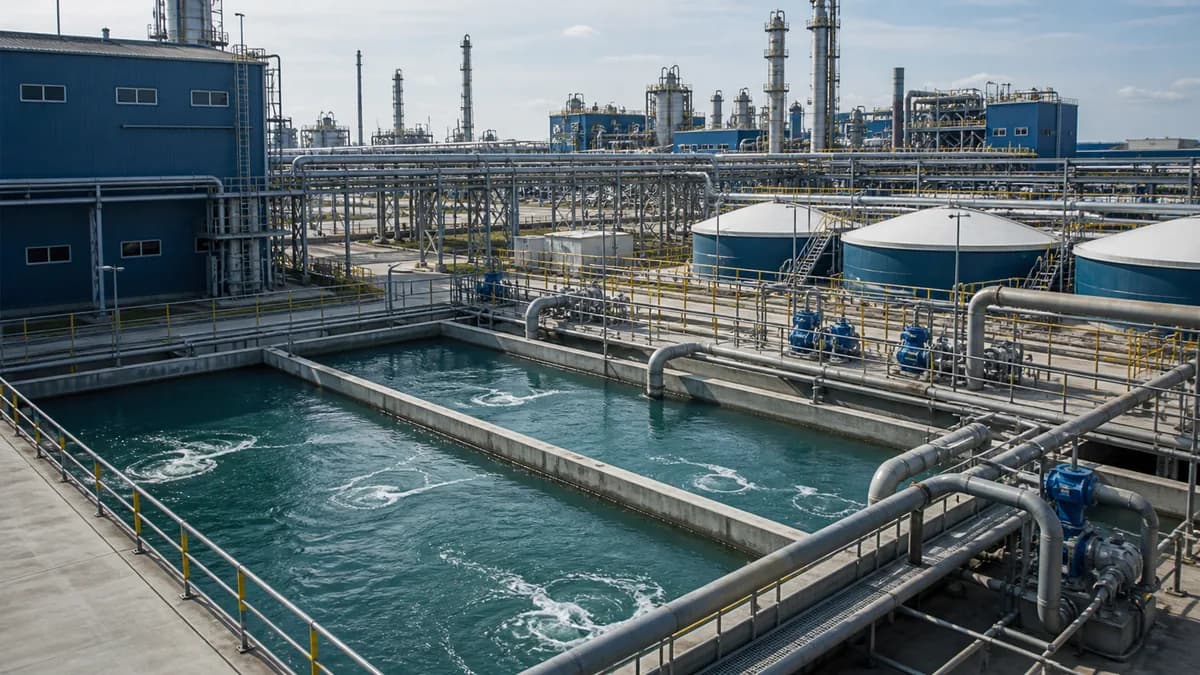
Application environment
Подходит ли это решение для вашего проекта?
Окисление выбранных тугоплавких соединений, контроль цвета и запаха или улучшение биоразлагаемости.
Конечная дозировка озона и конфигурация процесса зависят от фактических условий процесса. Сложные или переменные потоки могут потребовать лабораторных или пилотных испытаний перед окончательным проектированием.
Обзор приложения
Промышленные сточные воды сильно различаются в зависимости от производственного процесса. Озон можно использовать отдельно или в комплексе усовершенствованной окислительной или биологической очистки, но тестирование возможности обработки часто является самым безопасным способом установить дозу, условия контакта и ожидаемое улучшение.
Что решает озон
- Окисление некоторых тугоплавких соединений
- Потенциальное улучшение биоразлагаемости после переработки
- Уменьшение цвета или запаха, где это применимо
- Совместимость с комбинированными процессами для конкретных приложений
Combined process options to evaluate
Типичный полный объем системы
Проект представляет собой скоординированную систему очистки, а не изолированный генератор озона. Окончательная граница зависит от приложения и сайта.
- Подготовка сырьевого газа или подача кислорода
- Выработка озона
- Охлаждение и технологическое оборудование
- Дозирование или распределение в зависимости от применения
- Контактная или реакционная стадия
- Управление остаточным озоном и отходящими газами
- Мониторинг и контроль безопасности
Данные, необходимые для предварительного определения размера
- Производительность очистки и часы работы
- Характеристики поступающей воды, газа или процесса
- Целевой загрязнитель и требуемый стандарт на выходе
- Существующий процесс и доступное контактное пространство
- Доступный сырьевой газ, охлаждающая вода и электроснабжение
- Температура, давление и условия установки на месте установки
- Страна проекта, график и применимые местные требования
Часто задаваемые вопросы
Как определяется необходимая озоновая емкость?
Capacity for очистка промышленных сточных вод cannot be selected from flow rate alone. Preliminary sizing considers treatment flow, ozone demand, target result, contact conditions, transfer efficiency and operating hours. Variable or difficult streams may require laboratory or pilot testing before final design.
Следует ли использовать в качестве исходного газа воздух, кислород PSA или жидкий кислород?
Выбор зависит от требуемой производительности и концентрации озона, режима эксплуатации, коммунальных услуг, площади объекта и местной стоимости кислорода. Системы с подачей кислорода обычно поддерживают более высокую концентрацию озона; наиболее экономичный вариант необходимо сравнивать на уровне всей системы.
Можно ли добавить озон в существующую линию лечения?
Часто да, но требуется проверка модернизации. Инженер должен проверить точку впрыска, гидравлические или газовые условия, время контакта, совместимость материалов, обращение с отходящими газами, элементы управления, блокировки и влияние на последующие процессы.
Необходим ли деструктор отходящих газов или контроль остаточного озона?
Это обычно требуется в тех случаях, когда непрореагировавший озон может покинуть контактный сосуд или попасть в зону присутствия людей. Окончательное решение зависит от процесса и местных правил безопасности, но образование, перенос и разрушение озона следует рассматривать как одну инженерную границу безопасности.
Какого обслуживания требует озоновая система?
Регулярная работа обычно включает проверку качества сырьевого газа, охлаждения, фильтров и осушителей, датчиков озона, клапанов, уплотнений, электрической защиты и системы дозирования или отходящего газа. Точный график зависит от конфигурации оборудования, рабочего цикла и условий на объекте.
Какая информация необходима для предварительного предложения?
Отправьте поток очистки, часы работы, входящие данные, цель очистки или стандарт на выходе, существующий процесс, доступные коммунальные услуги, страну установки и график проекта. Сначала мы определим границы обработки, а затем порекомендуем предварительную настройку системы.
Связанные реализованные проекты
Приведенные ниже мощности являются документально подтвержденными ссылками на проекты. Конечная эффективность очистки зависит от качества воды конкретного проекта и технологических условий.
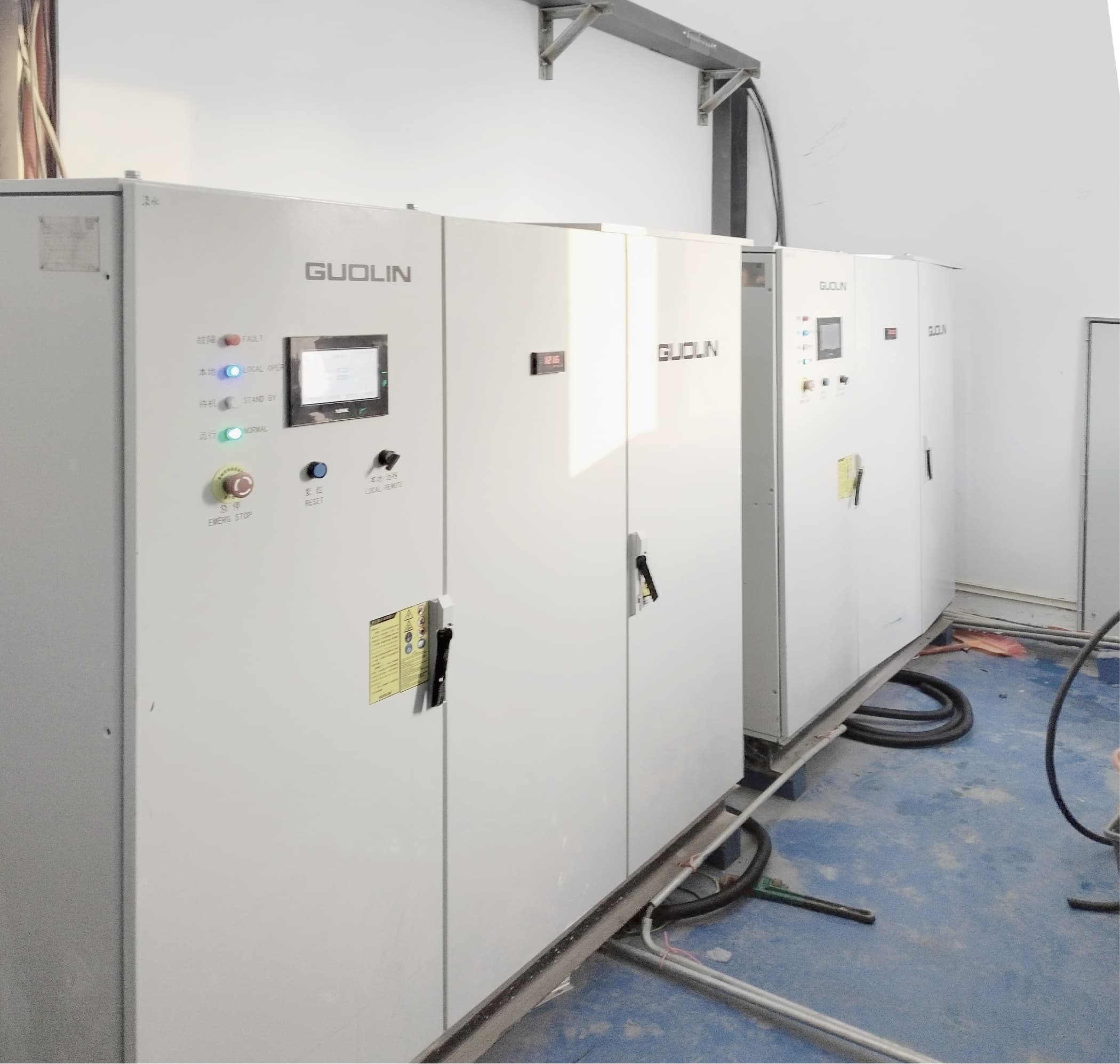
Сточные воды Шаосина
Промышленные сточные воды (кластер текстильной/полиграфической и красильной промышленности)
600 kg/h
Подробнее о проектеСточные воды Янчжоу
Очистка промышленных сточных вод
200 kg/h
Подробнее о проектеСинопек Цзиньцзян
Нефтехимические сточные воды AOP
21 kg/h
Подробнее о проектеSinopec Yunnan
Нефтехимические сточные воды AOP
165 kg/h
Подробнее о проекте