
Ozone vs Hydrogen Peroxide for Wastewater Treatment: How to Choose
Compare ozone, peroxide dosing and combined AOPs for wastewater treatment. Learn what changes the choice, the full cost and the trial needed before buying.
A peroxide dosing pump and an ozone system may appear to be alternative purchases. First check whether the two proposals promise the same finished-water result. Hydrogen peroxide on its own, UV with peroxide, an iron-assisted process and ozone with peroxide are different treatment arrangements. One price may cover a dosing package; the other may include gas generation, contact equipment and off-gas treatment. Compare that scope before comparing totals.
For wastewater, choose the process that reaches your specific target in the actual water at an acceptable whole-system cost. Ozone is worth testing where its oxidation reactions suit the remaining contaminants or colour. An activated peroxide process may be worth testing when a different reaction route is needed. Combining ozone and peroxide can also be useful—but buying both is not automatically better.
What exactly are you comparing?
Ask each supplier to name the complete process and list its equipment and consumables. The word “peroxide” does not tell you how it will be used. Equally, an ozone generator's output does not tell you how much useful treatment occurs in the water.
Compare processes, not just chemicals
Four labels that can hide very different offers
01
Ozone
On-site gas production and transfer
Does the water-side result justify the complete gas system?
02
Peroxide dosing
Liquid supply, storage and dosing
Is peroxide alone the tested process—or is activation missing from the scope?
03
Activated peroxide
For example, UV or an iron-assisted process
What does the activation stage add in equipment, conditions and operating work?
04
Peroxone
Ozone plus hydrogen peroxide
What required benefit appears only when the two are combined?
Ozone treatment
Ozone is generated at the site and brought into contact with the wastewater. It can react directly with some substances; reactions in the water can also produce hydroxyl radicals, short-lived reactive species that contribute to oxidation. Which route matters most depends on the target and the water. The installation needs gas production, transfer, monitoring and management of unused ozone—not just a generator.
Peroxide dosing and activated peroxide processes
Hydrogen peroxide is commonly supplied as a liquid solution. Dosing that solution is not equivalent to activating it in a UV reactor or using an iron-based Fenton process. Those additions change the equipment, reaction conditions and operating tasks. If UV is proposed, ask how the wastewater affects light delivery. If an iron-assisted process is proposed, include its chemical, pH-control and solids-management requirements in the discussion.
Keep any quoted results attached to the actual process. A result from electro-peroxone, catalytic treatment or a photo-assisted laboratory reactor cannot establish the performance of a simpler ozone or peroxide package.
Which option should you test first?
Start with the unresolved problem, not a ranking of oxidant strength. A dyehouse seeking colour polishing, a plant targeting one persistent compound and a factory seeking lower total COD may need different comparisons. COD is a measure of the sample's overall oxygen-demand equivalent; it is not the concentration of one contaminant.
- A remaining colour or known reactive contaminant: include ozone alone as a baseline. Find out whether adding another reagent delivers anything the project actually needs.
- A target poorly removed in the ozone baseline: investigate whether an appropriate advanced oxidation process, or AOP, changes the result. First distinguish reaction limitations from inadequate gas transfer or an unrepresentative test.
- A large background organic load: review upstream separation or biological treatment before pricing oxidation of the whole load. The cheapest oxidant per kilogram may still be an expensive way to do an avoidable job.
- Production-water reuse: compare the complete proposed treatment sequence against the intended reuse requirements. Neither oxidation label proves that salts, microorganisms or all unwanted by-products are controlled.
The ozone and COD guide explains why contaminant transformation, colour loss and deeper organic removal must be judged separately. Keep those distinctions in the comparison even if the first test looks promising.
When does combining ozone and hydrogen peroxide make sense?
The ozone–hydrogen peroxide combination is called peroxone. It promotes a radical-based oxidation route and can be investigated for contaminants that are difficult to remove through direct ozone reactions. It is a process option to evaluate, not a standard upgrade every ozone installation needs.
The water itself competes for reactive species. Background organic material and other constituents can consume oxidant or radicals before they achieve the intended job. Peroxide addition also changes ozone behaviour. More peroxide therefore does not necessarily mean more useful treatment; the quantity, addition point and operating pattern need testing together.
For a buying decision, ask a simple question: what useful result appears only after peroxide is added? It might be achieving a required target that ozone alone misses, or reaching that target with a better overall operating balance. If the combined process only improves an already sufficient colour result, that improvement may not justify its extra storage, dosing, monitoring and operating work.
Do not assume peroxone makes the water free of oxidation by-products or establishes disinfection performance. Those objectives require their own measurements and acceptance basis. Avoid selecting a peroxide-to-ozone ratio from an unrelated paper or treating a pilot's best operating point as the final plant setting.
How do you compare the costs fairly?
Use the same flow, wastewater range, operating hours and final target for every option. Then list what is purchased, what the site must add and what is consumed during operation. Comparing a chemical price with a generator price is not a treatment-cost comparison.
A fair economic comparison
One target, complete costs, evidenced inputs
Hold the result constant
- Same flow and wastewater range
- Same final target and downstream use
Include the whole scope
- Equipment, site work and safeguards
- Energy, chemicals, residuals and maintenance
Use the tested demand
- Actual inputs for the chosen endpoint
- No transferred laboratory saving or price ranking
For the ozone route, include the agreed feed-gas supply, generator power, cooling, transfer equipment, off-gas treatment, instruments and maintenance. For peroxide routes, include chemical supply at its actual concentration, delivered quantity, storage, dosing and the activation equipment where required. Include associated power, other reagents, residual management and waste handling—not only the main oxidant.
A combined process must include both sets of relevant costs, but it may use them differently from either standalone test. Compare the evidenced operating demand for the selected endpoint; do not add together two unrelated worst-case quotations or assume published energy savings apply to your plant.
The original comparison aid above groups costs; it does not predict which route wins. Local power, reagent logistics, existing infrastructure and the actual treatment response can reverse the result. The complete ozone-system cost guide can help identify exclusions in the ozone offer.
What should the comparison trial demonstrate?
Write the acceptance question before ordering the trial. “Which option reduces the target compound to the required concentration while leaving acceptable water for the next stage?” is more useful than “Which produces the biggest removal percentage?” Use representative wastewater and include production changes that could alter the result.
- Establish the untreated and current-process baseline. Record the upstream treatment, sample source and conditions so different test waters are not mistaken for different technology performance.
- Test the actual proposed arrangements. Record ozone input and transfer where relevant, peroxide addition, activation, contact arrangement, power and other consumables. A beaker comparison does not represent every full-scale reactor.
- Measure the chosen endpoint and the consequences. Include the target compound or colour, relevant organic measures, remaining oxidants, downstream biological compatibility and the by-product or toxicity checks appropriate to the water.
- Make a decision from the differences. Decide whether the additional equipment earns its place, whether upstream changes deserve attention, or whether the proposed oxidation route should be rejected.
Agree sample preservation and residual-oxidant handling with the laboratory before comparing results. Keep the final measurement after the same intended treatment sequence for every option. The treatability-testing guide covers the wider bench-to-pilot evidence path.
Is either option easier or safer to operate?
They create different responsibilities. Ozone installations need controls for exposure, gas containment and unused gas, alongside the electrical, pressure and feed-gas hazards of the selected system. Peroxide installations need a review of the supplied concentration, compatible storage and equipment, contamination risks, delivery and chemical handling. Combining processes does not remove either set of responsibilities.
Ask who will operate and maintain each part, what happens during a loss of flow or other fault, and which controls need proving before startup. Use the chemical supplier's current safety data sheet for the actual peroxide product and a site-specific risk assessment. The HSE ozone guidance page is an optional UK reference for employers reviewing exposure control, not a substitute for the rules and engineering assessment applicable at your site.
What should you send to GUOLIN?
Send the treatment problem, project country, flow range, available analysis, upstream process and intended destination of the treated water. If you have competing proposals, include their equipment scopes and promised endpoints. You can start without a preferred model or a selected oxidant ratio.
GUOLIN's industrial wastewater application and industrial ozone equipment provide starting points for a complete-system discussion. Ask which ozone-system arrangement is justified by the trial, what supporting equipment it needs and which interfaces remain with the wider treatment plant. Do not assume every peroxide, UV, catalyst or iron-assisted option discussed here is included in an ozone quotation.
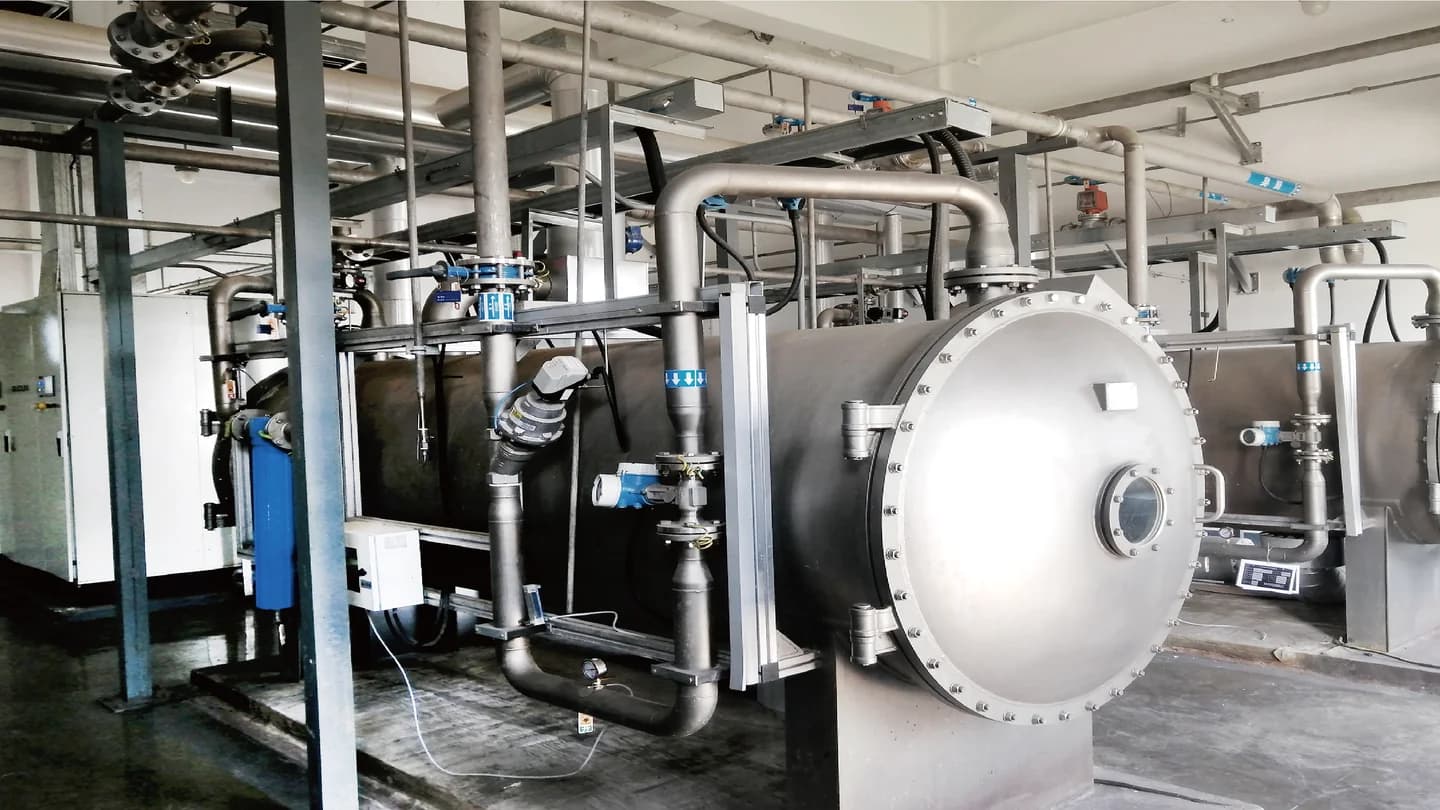
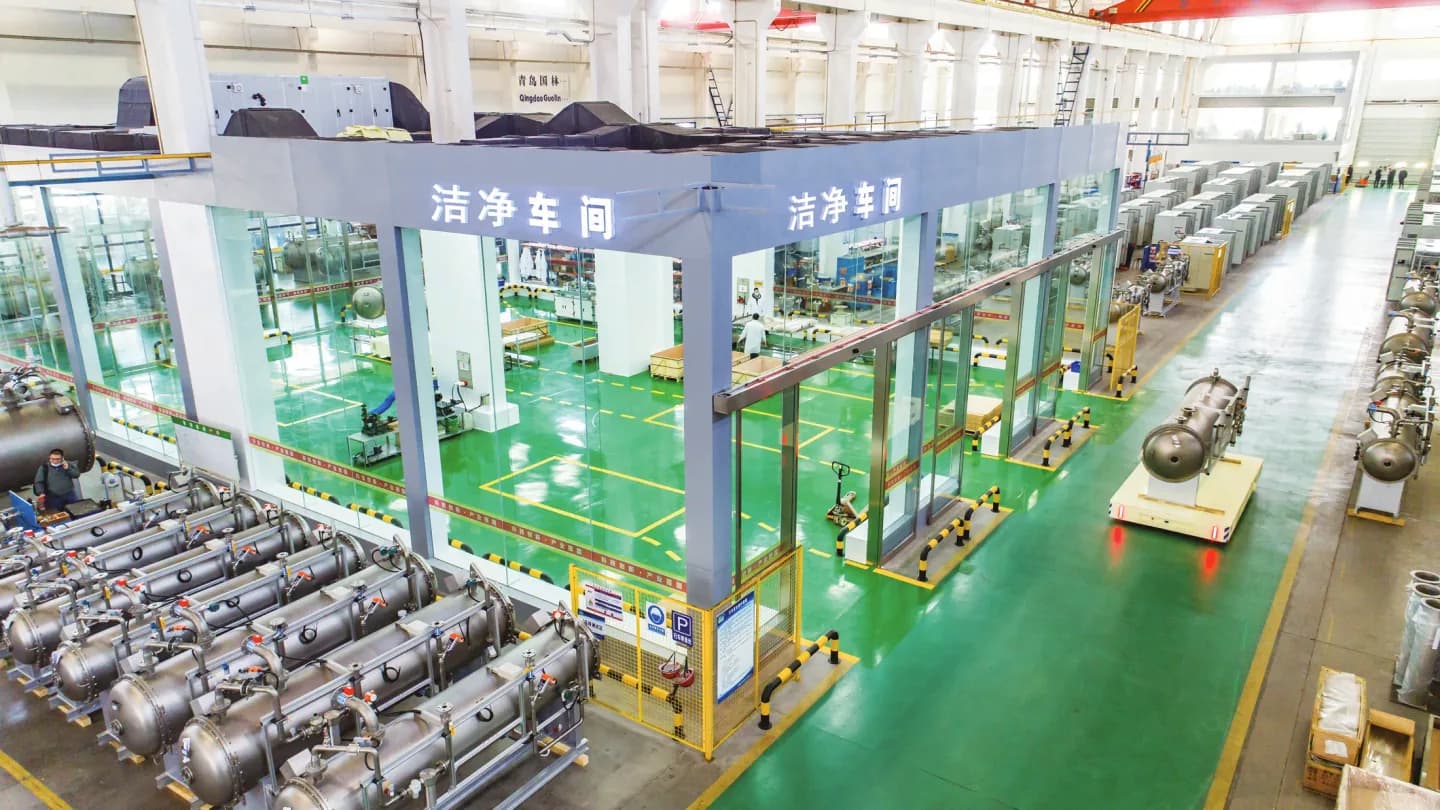
Use the project enquiry page to describe the result you need and what is still unknown. A useful first discussion should clarify the comparison—not require you to guess the design beforehand. The cover photograph shows GUOLIN ozone equipment at a wastewater installation, not a peroxide process or a connection drawing.
Frequently asked questions
Is hydrogen peroxide stronger than ozone for wastewater treatment?
An oxidant-strength ranking cannot select the process. The target substances, wastewater composition, activation method, contact arrangement and required final result determine whether a particular ozone or peroxide process is suitable.
Is peroxone the same as dosing hydrogen peroxide?
No. Peroxone combines ozone and hydrogen peroxide. Peroxide dosing alone, UV/peroxide and iron-assisted processes have different reaction arrangements, equipment and operating requirements.
Should every ozone system include hydrogen peroxide?
No. Include it when representative testing demonstrates a useful benefit for the required endpoint and the additional supply, control, safety and operating requirements are justified. There is no universal ratio or assured saving.
Can a lower chemical price prove a lower treatment cost?
No. Compare the full installed and operating scope at the same flow, wastewater conditions and finished-water target, including activation, utilities, monitoring, residual management and maintenance where applicable.
Related articles
Application Guide
Can Ozone Reduce COD in Industrial Wastewater?
Find out when ozone can help reduce wastewater COD, why colour removal is not the same result, and what to verify before buying an ozone system.
Technology
Ozone Treatability Testing: Will It Work for Your Wastewater?
Find out what an ozone test should prove before you invest in an industrial wastewater system, from representative samples to pilot-scale verification.
Buying Guide
Industrial Ozone System Cost: What Changes the Price?
Understand why industrial ozone system quotes differ, what a complete price includes, and how to compare equipment, installation and operating costs.
Buying Guide
What Is Included in a Complete Industrial Ozone System?
Compare the equipment included in an industrial ozone system, spot quotation exclusions, and decide what the supplier and your site need to provide.