Air-source configuration
- Catalogue output
- 10–800 g/h
- Catalogue concentration
- 20–30 mg/L
- Confirm before selection
- Air preparation, gas flow and pressure, ambient conditions, cooling, duty cycle and controls

Core Ozone Generators
CF-G-2 and CF-G-3 ozone generator configurations for lower-output industrial duties, with catalogue models from 10 to 800 g/h. The displayed product-family boundary reaches 1 kg/h; the final model and system scope are confirmed from project data.
Selection boundary: Catalogue models shown here are 10–800 g/h. Requirements approaching 1 kg/h should also be reviewed against the 1–10 kg/h selection range.
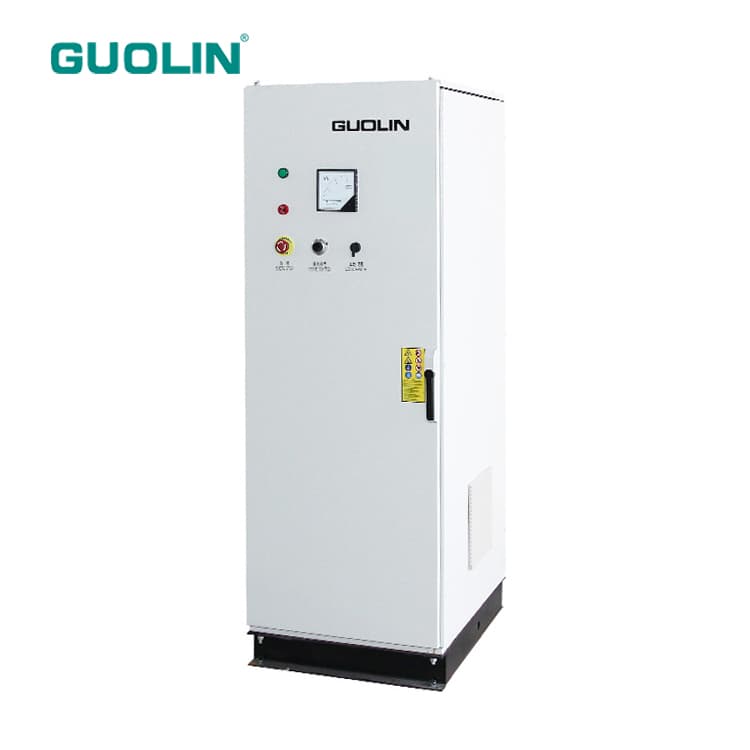
PRODUCT OVERVIEW
This range is intended for lower-output industrial ozone duties where the generator, feed-gas route, cooling, transfer equipment and controls must be selected together. Catalogue models cover 10–800 g/h with air-source and oxygen-source configurations. A requirement near 1 kg/h sits at the boundary with the medium-capacity range and should be reviewed against both families.
Start with this range for a calculated duty below 1 kg/h, but do not choose a model from water flow or a target model number alone. Selection depends on required ozone mass, gas concentration, feed-gas route, operating profile, cooling, controls and the connected treatment process.
The catalogue figures below identify two published configuration routes. They are comparison inputs and do not represent every operating condition.
Final specifications are confirmed against project conditions.
| Configuration | Ozone output | Concentration | Specific power |
|---|---|---|---|
| CF-G-2 / CF-G-3 · Air source | 10–800 g/h | 20–30 mg/L | Confirmed at selection |
| CF-G-2 / CF-G-3 · Oxygen source | 10–800 g/h | 80–120 mg/L | Confirmed at selection |
NEXT DECISION
Return to the product hub when output range and equipment family are still open.
Compare product rangesCompare the 1–10 kg/h selection range when the calculated requirement approaches or exceeds 1 kg/h.
View 1–10 kg/h rangeUse the solution pages when the treatment objective and process position are not yet defined.
Choose by application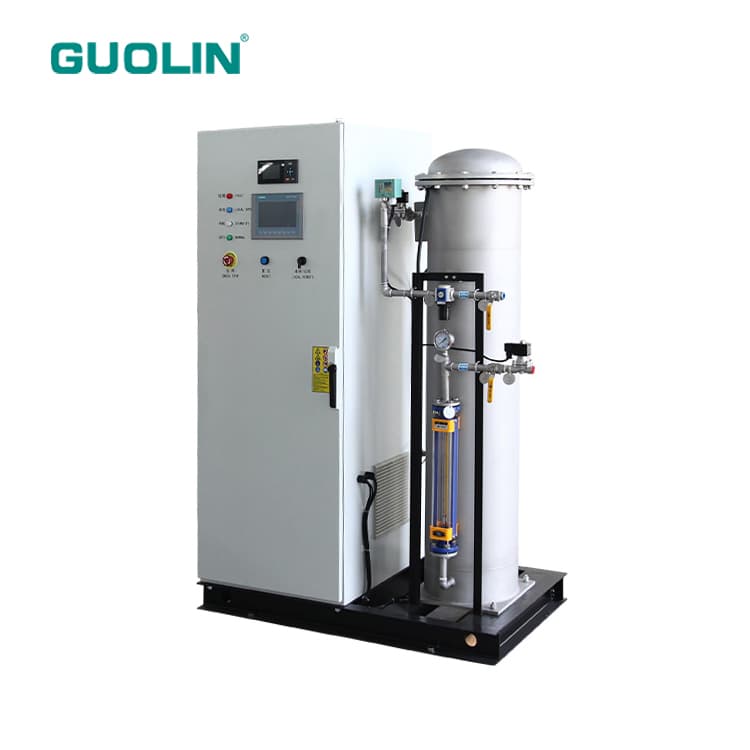
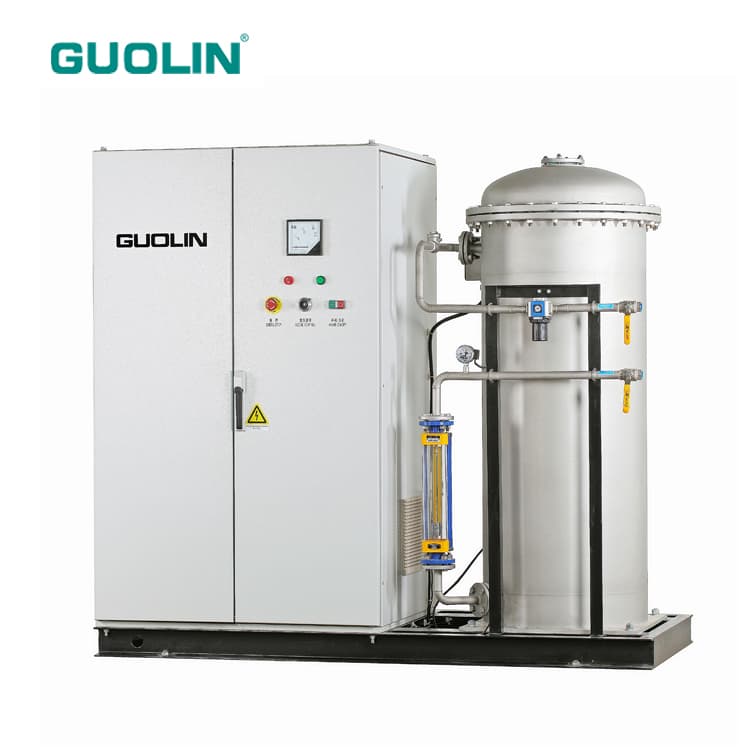
The displayed family boundary reaches 1 kg/h, while the current catalogue table on this page lists models from 10 to 800 g/h. A duty near 1 kg/h should be compared with the medium-capacity range before the final family and model are selected.
No. Water flow is one input, but ozone demand also depends on the treatment objective, water or process conditions, operating profile, transfer arrangement and required control boundary.
Both routes list 10–800 g/h models. The catalogue concentration is 20–30 mg/L for the air-source configuration and 80–120 mg/L for the oxygen-source configuration. The final route also depends on available gas supply and the connected system design.
Not automatically. Feed-gas preparation, cooling, dosing or transfer, off-gas treatment, controls and other interfaces are defined for the project. The final supplied boundary is confirmed in the quotation.
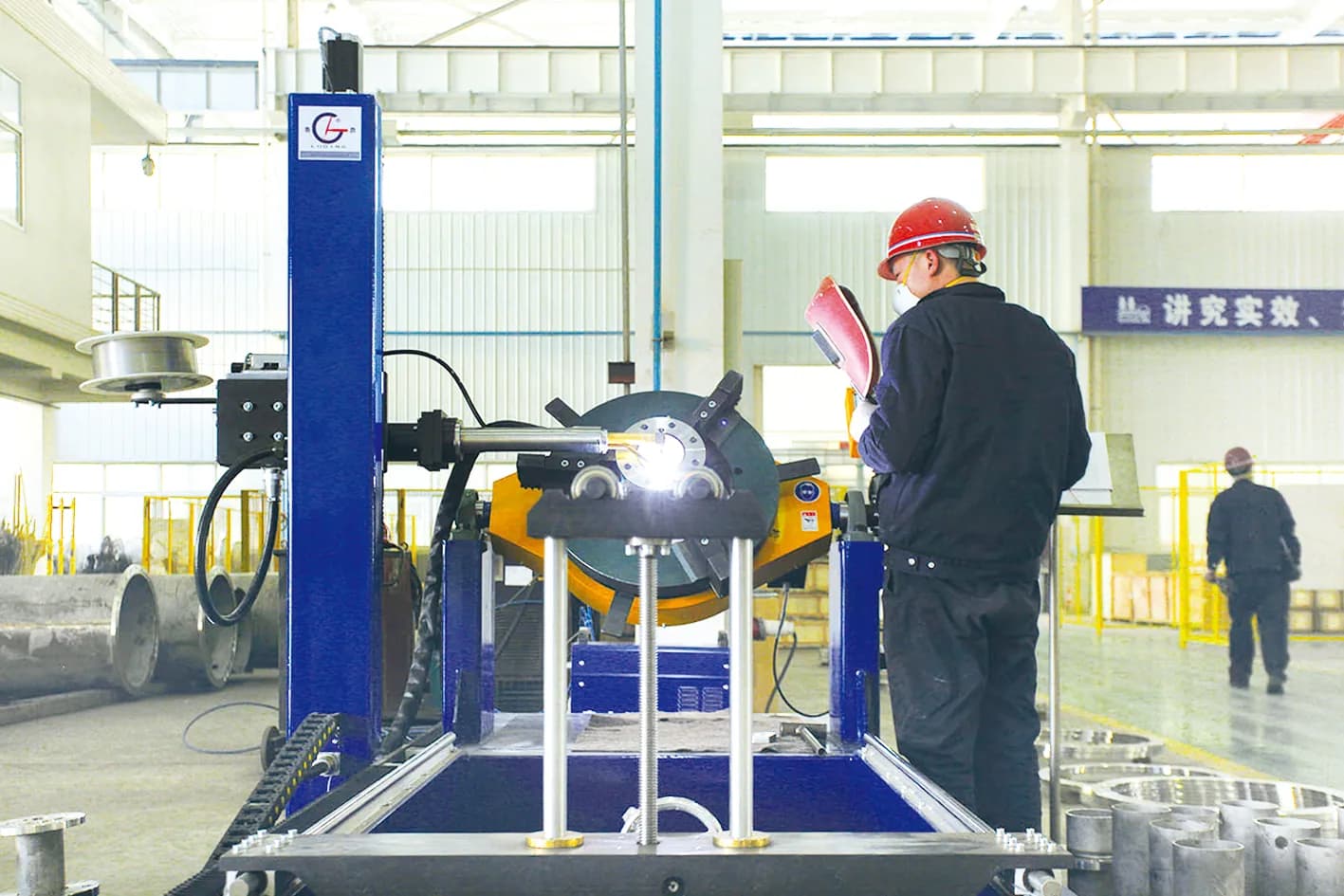
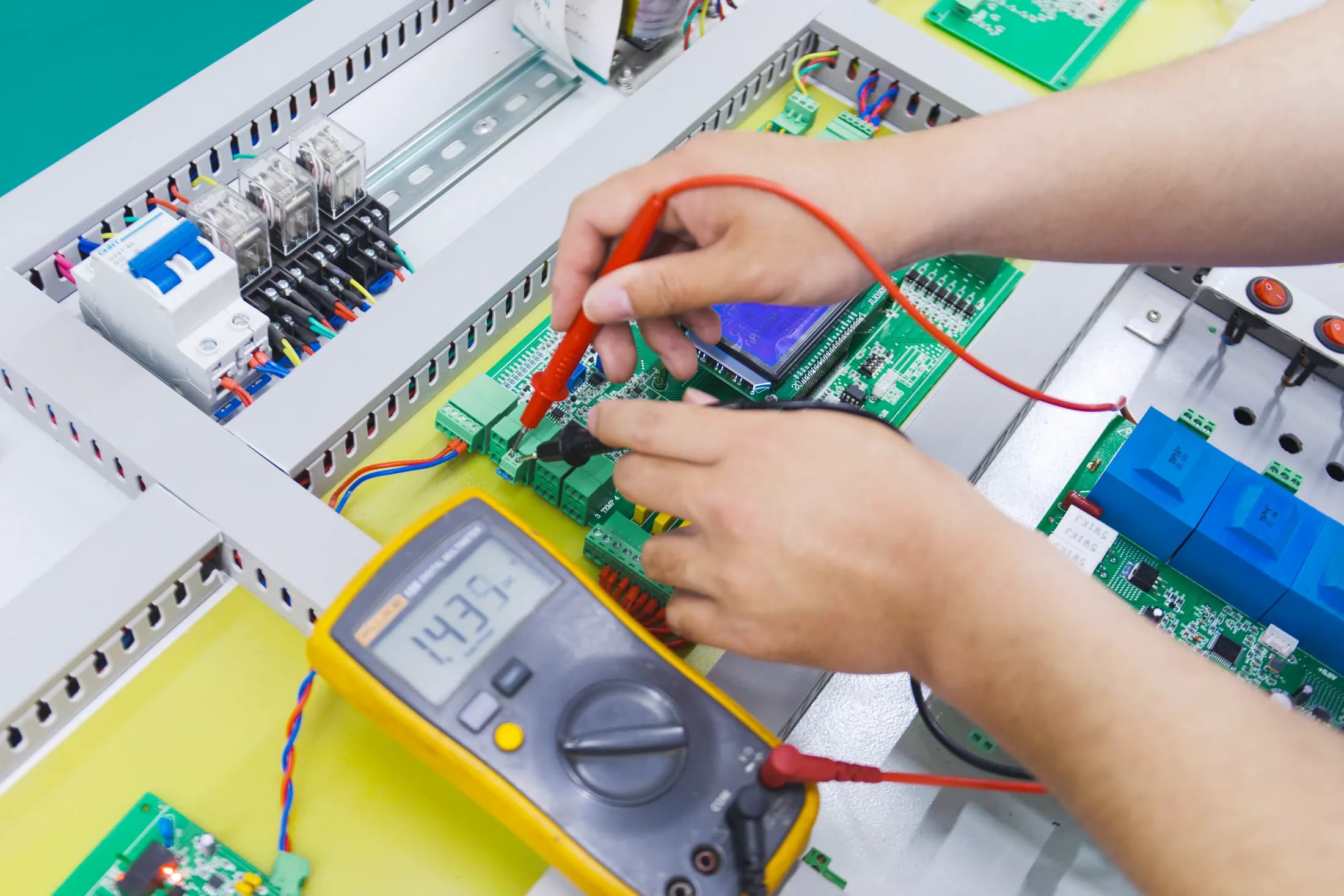
SYSTEM INTEGRATION
Generator selection, power equipment, controls and supporting subsystems are reviewed together before the final project scope is confirmed.