
Containerized vs Skid-Mounted Ozone Systems: Which Should You Choose?
Compare containerized and skid-mounted ozone systems by equipment-room needs, installed footprint, site work and maintenance access—not just the package price.
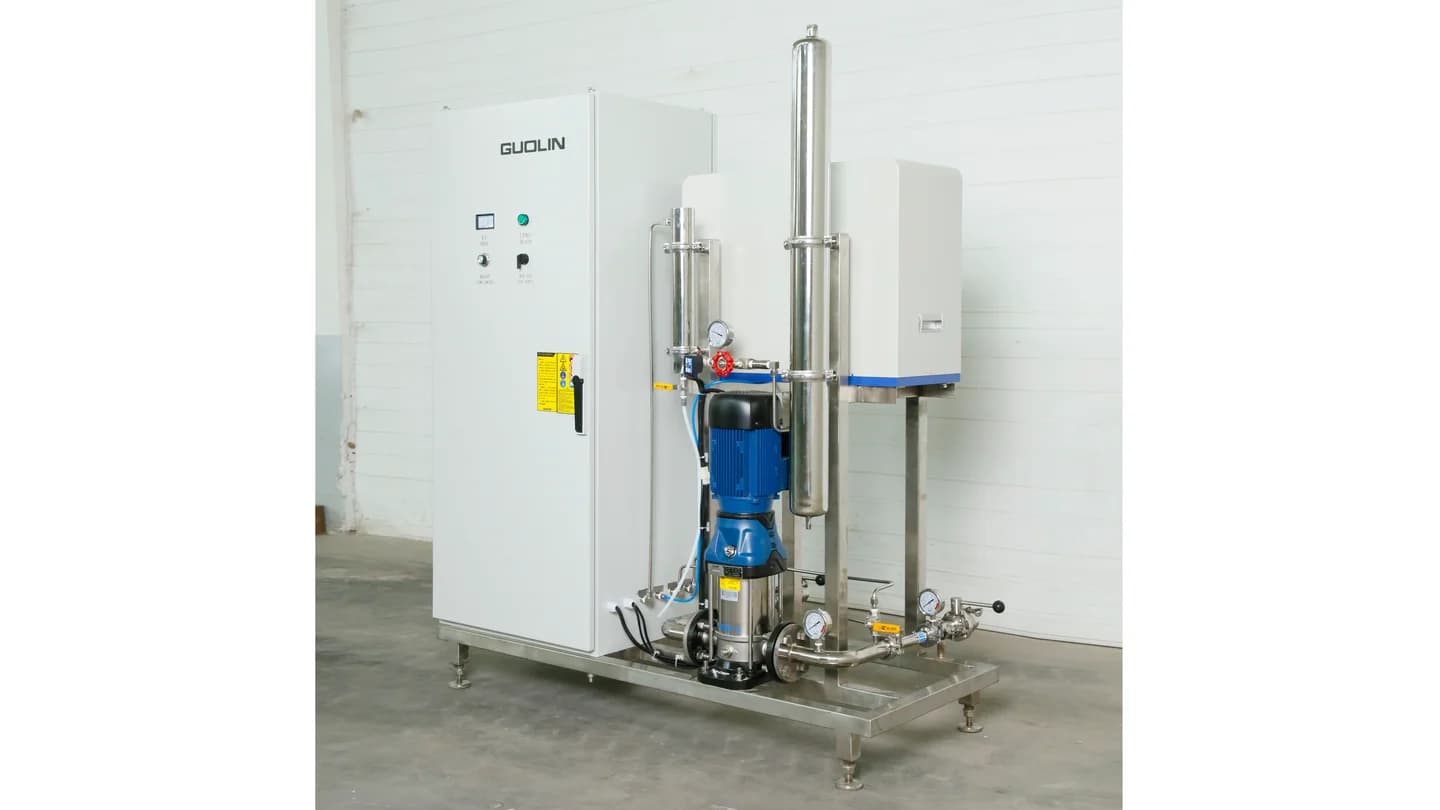
Do you already have a suitable equipment room? If you do, a skid-mounted ozone system is worth considering before paying for another enclosure. If you do not, a containerized arrangement may let you buy the equipment and its housing together. Count the room or enclosure preparation, external connections and service access before choosing—not simply whether the equipment arrives on a frame or inside a box.
There is also an important catch: a container can contain one or more skids. These are not competing ozone-generation technologies, and neither label tells you the treatment capacity or exactly what is included. Compare the same process duty, then decide where the equipment, utilities and maintenance work will go.
What is the difference between a skid and a containerized ozone system?
A skid groups equipment on a supporting frame
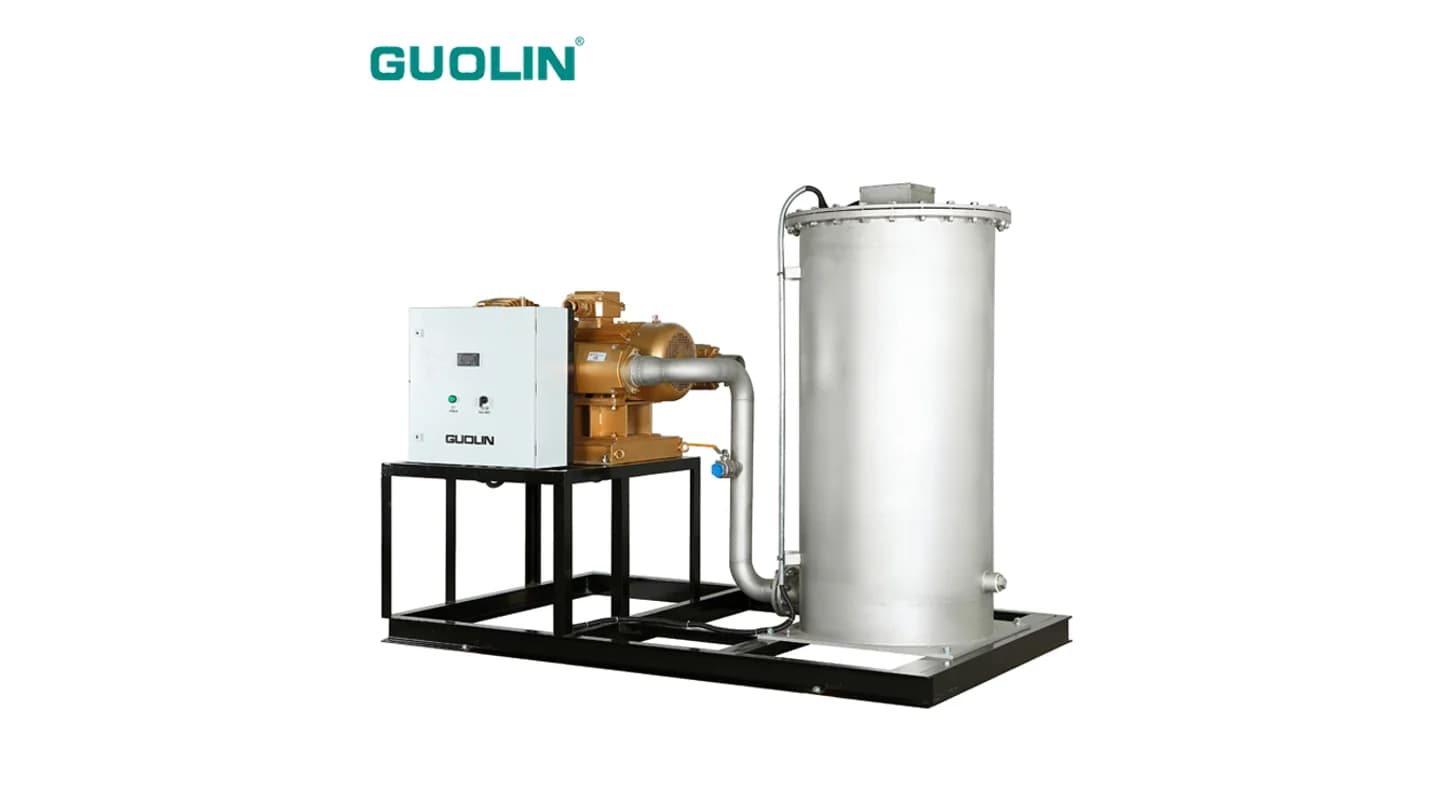
A skid-mounted package brings selected equipment together on a base, potentially with internal piping, wiring and controls completed before shipment. What it does still needs checking. An ozone injection skid may contain a pump, injector and instruments; it is not necessarily an ozone generator, oxygen supply and complete treatment plant.
An open skid needs a suitable operating environment. That can be an existing equipment room, a purpose-built building or another properly designed enclosure. Do not assume an indoor package is ready for rain, dust, freezing conditions or direct sun because its frame looks robust.
A container adds a dedicated enclosure
A containerized ozone system places an agreed equipment scope inside an enclosure. The design may include lighting, insulation, climate control, ventilation and service access. It may also leave oxygen supply, a cooling package, contact equipment or other functions outside. Ask for the actual arrangement rather than assuming everything is inside the container.
The useful distinction is therefore equipment integration versus equipment housing. Both arrangements can be factory-integrated. Both still have connections and acceptance work at the destination. For the process functions themselves, see what a complete ozone system can include.
Which arrangement fits your site?
Begin with the space you can genuinely use. A room with spare floor area is not automatically ready for ozone equipment: its utilities, ventilation, heat removal, access and safety provisions must also suit the proposed installation.
Start with the site
Three situations, not one default package
A suitable room exists
Investigate a skid arrangement
Can it get into the room, operate there and be serviced?
Spare floor area is not proof the room is ready.
A new equipment space is needed
Compare an enclosure with a new room
Which arrangement leaves less unresolved site work?
Include support, utilities, climate and local acceptance.
Relocation may be needed
Define the transportable installation
What moves, what stays, and how is it restarted?
A movable enclosure can still depend on fixed external plant.
For an operating factory with a suitable room near the treatment point, an open skid may avoid duplicating a building you already have. Check the delivery route before deciding: a package that fits the final floor plan can still be too large for the doors or too heavy for the route into the room. A split-package arrangement may be worth discussing where access is tight.
At a site without an equipment room, compare a containerized proposal with the full alternative: skid equipment plus a suitable new building and its services. A container can move some enclosure work to the factory, but you still need to resolve its location, support, connections and local acceptance.
If the plant might move later, describe that requirement now. A relocatable installation needs a defined transport condition, disconnection plan and a way to recommission it safely. Moving a container does not automatically move the cooling plant, oxygen supply, tanks or process connections that serve it.
Compare the whole installed footprint—not just the box
A package's external dimensions tell you where it sits, not all the space the installation uses. Lay out three areas: the supplied equipment, the external supporting equipment, and the access needed to operate and maintain both. The drawing should show door swings, component-removal routes and any space needed to reach adjacent plant.
Compare the installed arrangement
The equipment boundary is not the site boundary
Inside the agreed package
- Selected generator and internal equipment
- Internal piping, wiring and controls as offered
- Enclosure services, where included
Verify the equipment list. A container can contain skids.
Elsewhere at the site
- Any external oxygen, cooling or contact equipment
- Supports, utility connections and plant interfaces
- Access, site tests and operating handover
Each required function needs a location and a responsible party.
Allow for the equipment + external plant + operating and removal access.
For example, a container may house generation and controls while its chiller rejects heat outside. A separate oxygen source may have its own delivery or service access. The process contactor may remain beside the water-treatment line. An outdoor enclosure placed a long way from that line may create additional piping and control work; its small floor area alone does not settle the layout.
Ask the supplier to show how the largest serviceable component gets out. Does a cabinet open into a usable aisle? Can a pump or vessel component be removed without dismantling unrelated equipment? A compact layout is useful only if those tasks remain practicable. The project designer must set the actual clearances; there is no universal aisle dimension for every ozone package.
Will a container cost less or start up faster?
It can reduce some site work when it replaces a building and brings more internal installation to the factory. It can also add enclosure, climate-control, transport and lifting costs that an already suitable indoor room does not require. Neither outcome follows from the word “containerized.”
Compare costs in the same groups: supplied equipment; room or enclosure preparation; external utilities and process connections; delivery and positioning; commissioning; and recurring operation and maintenance. Include the power and upkeep of any added heating or cooling. If an item is excluded from one quotation, give it an owner and an allowance instead of treating it as free. The ozone-system cost guide provides the wider comparison framework.
For the schedule, identify the last prerequisite that could prevent operation. It might be an electrical connection, an oxygen installation, a completed treatment basin, a permit or access for a crane—not assembly of the ozone package. Ask which activities are completed before shipment and which still depend on the site.
Consider two hypothetical sites. One has a prepared room, spare utility capacity and a short connection to the treatment line; a separate enclosure may add work without solving a space problem. The other has no room and limited capacity for on-site assembly; factory integration of the enclosure may be valuable. These are comparison situations, not a prediction of price or delivery time for either project.
What must be ready before delivery?
Request one layout showing the installed arrangement and another defining how it will travel. Shipping dimensions, operating dimensions and service space may differ. A chiller, access platform or other item might be shipped separately or installed only at the destination.
- Position and support: confirm access, unloading space, foundations or supports, drainage, anchoring and site conditions with the responsible designers.
- Utilities: agree power, feed gas, cooling, water and drains where applicable, with the required conditions and the party supplying each connection.
- Process integration: locate the treatment connection, contact equipment and off-gas route, then define the monitoring and control links to the plant.
- Environment: give the supplier the expected ambient conditions, elevation and relevant dust, moisture or corrosion exposure. Review both equipment cooling and room/enclosure temperature control.
- Handover: separate factory tests from site inspection, connection checks, safety-function testing, commissioning and the agreed process-acceptance evidence.
A container-shaped equipment enclosure is not automatically approved for every shipping method. Confirm its actual transport classification, approval documents, loaded mass, lifting arrangement and securing method with the supplier and logistics specialists. IMO's CSC overview explains the transport-safety scope of container approval; that approval is different from permission to operate an ozone installation at the destination.
Have a competent team plan positioning and lifting from the actual load and site conditions. Do not select a crane or assume the enclosure's lifting points are suitable from a photograph. For readers arranging this work, HSE's UK lift-planning guidance is a useful reference for the questions to assign to the contractor; apply the rules relevant to your own location. The installation-requirements guide covers the equipment-side utility questions in more detail.
Does either layout make ozone safer?
Not by itself. An enclosure changes where a leak, heat or gas accumulation may occur; an open skid relies on the surrounding room or other designed protection. Safety comes from the agreed design, operating conditions and tested safeguards—not the packaging label.
Review ventilation, ozone detection, feed-gas or oxygen hazards, off-gas treatment, alarms, shutdown interfaces and safe maintenance access for the whole installation. Comfort air conditioning should not be assumed to provide the required safety ventilation. Nor should every container automatically be classified as a confined space: the actual hazards and applicable rules determine the assessment.
A factory test cannot demonstrate a site connection that has not yet been made. Agree how the installed safety functions and plant interfaces will be checked before operation. Use the industrial ozone safety guide to structure that review; final design and entry or maintenance procedures need competent project-specific approval.
Ask for a layout comparison, not just a different model number
GUOLIN's containerized ozone-system range is a project-integration option within its complete-system offer. Where compact packaged equipment is appropriate, the integrated ozonator is another starting point for discussion. These product descriptions do not establish that a particular capacity, process scope or enclosure will fit your site.
Send GUOLIN the application, treatment objective, flow or duty range, project country and a sketch or photographs of the available room or outdoor area. Include the access route and the utilities you already have. If you are unsure whether to use an existing room or buy an enclosure, say so: ask for both arrangements on the same duty, with external work and assumptions clearly identified.
You can start that discussion through the project-review form without choosing a model or container size. The most useful first answer is a workable layout and a clear list of what remains to be provided at the site.
Frequently asked questions
Is a containerized ozone system better than a skid-mounted one?
Neither is universally better, and a container can house skids. A suitable existing equipment room may favour a skid arrangement; a site without one may benefit from a supplied enclosure. Compare the same process duty, external equipment, installed space, site work and maintenance access.
Does a containerized ozone system include all the treatment equipment?
Only the equipment stated in the offer. Oxygen supply, cooling heat rejection, process contact equipment, off-gas handling or plant connections may be outside the enclosure. Request a layout and a function-by-function supply boundary before comparing quotations.
Can a skid-mounted ozone system be installed outdoors?
An open indoor skid should not be assumed suitable outdoors. An outdoor arrangement needs equipment and housing designed for its environment, with appropriate temperature control, weather protection, utilities and safeguards. Confirm the actual rating and installation requirements for the offered package.
Can a containerized ozone plant be relocated later?
It may be designed for relocation, but transportability is not automatic. Confirm transport configuration, mass, lifting and securing arrangements, disconnection responsibilities and recommissioning. External oxygen, cooling and process equipment may need separate movement or replacement connections.
Related articles
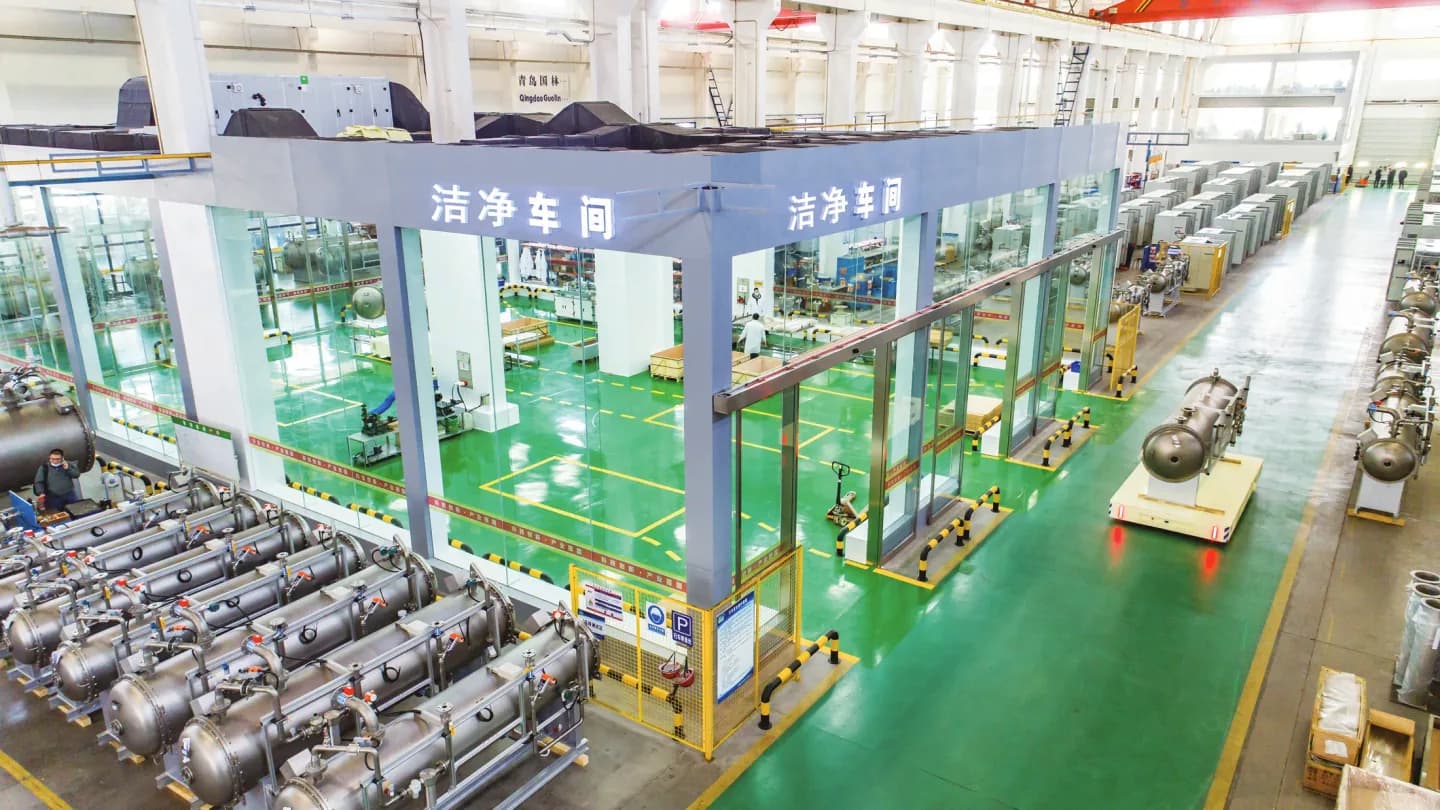
Buying Guide
What Is Included in a Complete Industrial Ozone System?
Compare the equipment included in an industrial ozone system, spot quotation exclusions, and decide what the supplier and your site need to provide.
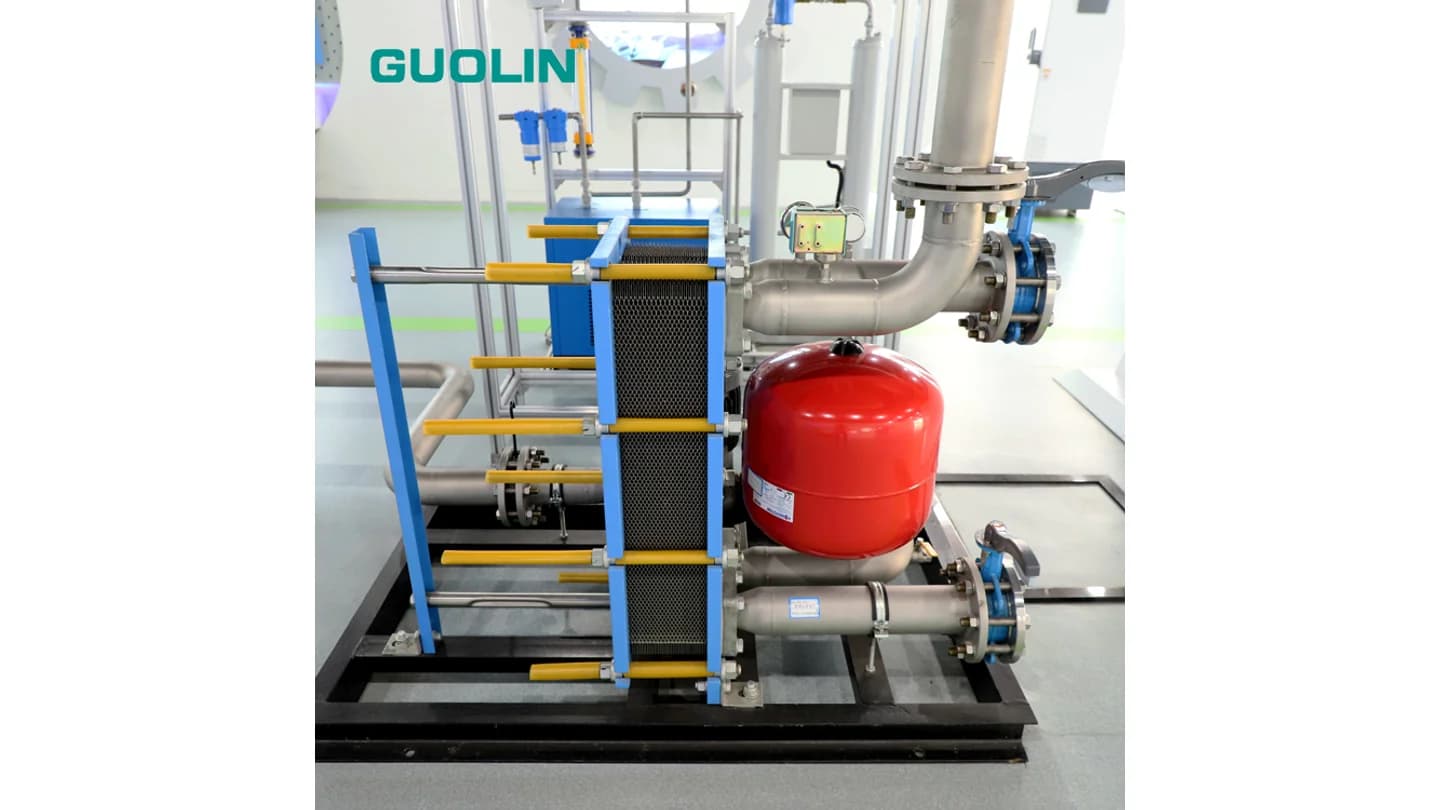
Buying Guide
Industrial Ozone Generator Installation Requirements
Prepare power, air or oxygen, cooling, ventilation and site connections before installation. Use the checklist to clarify supplier and site responsibilities.
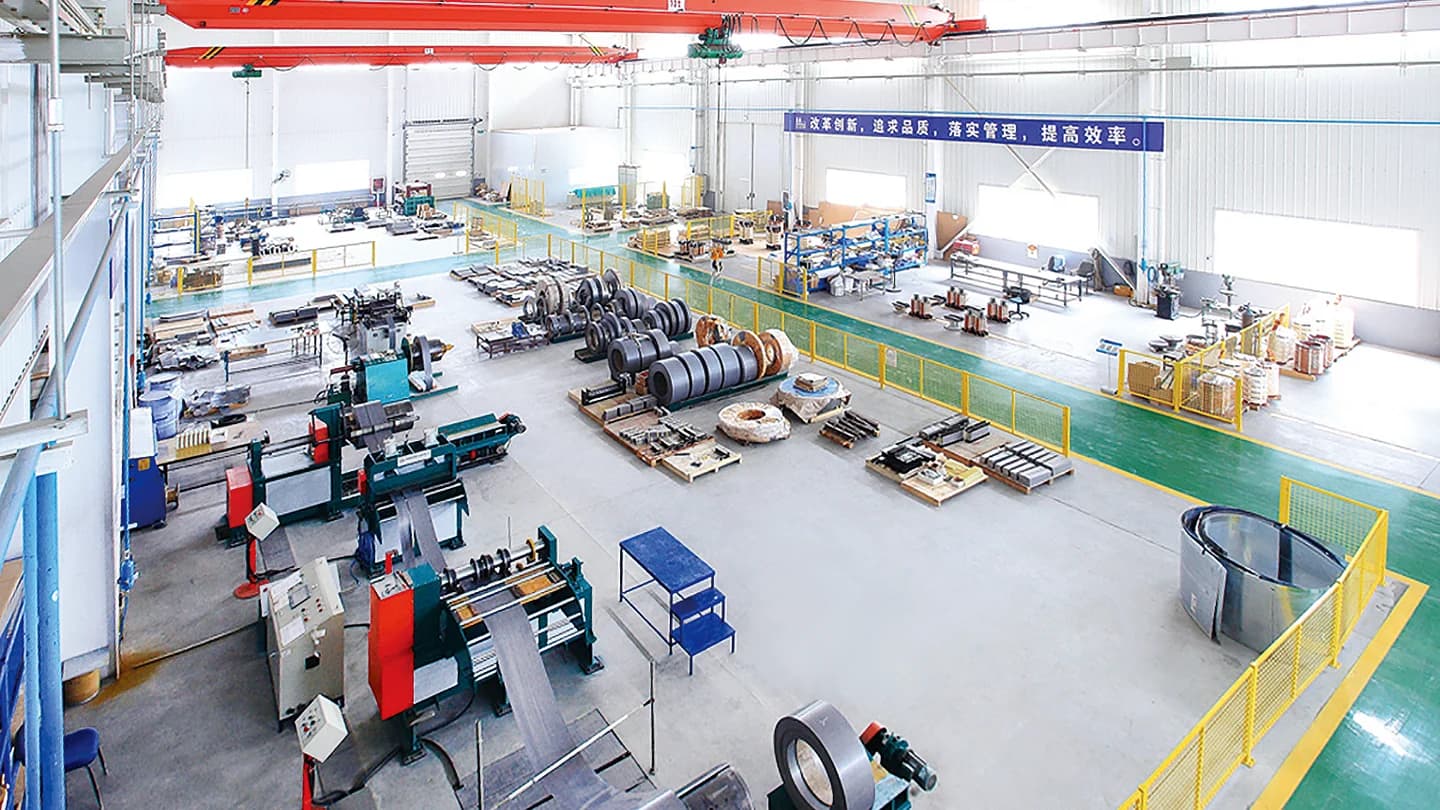
Buying Guide
Industrial Ozone System Cost: What Changes the Price?
Understand why industrial ozone system quotes differ, what a complete price includes, and how to compare equipment, installation and operating costs.
Technology
Industrial Ozone System Safety: A Practical Checklist
Review the safeguards an industrial ozone installation needs, from ventilation and leak detection to interlocks, oxygen supply and emergency planning.