
What Maintenance Does an Industrial Ozone System Need?
Plan industrial ozone generator maintenance across gas supply, cooling, dosing and monitoring. Compare service tasks, spare parts and downtime before buying.
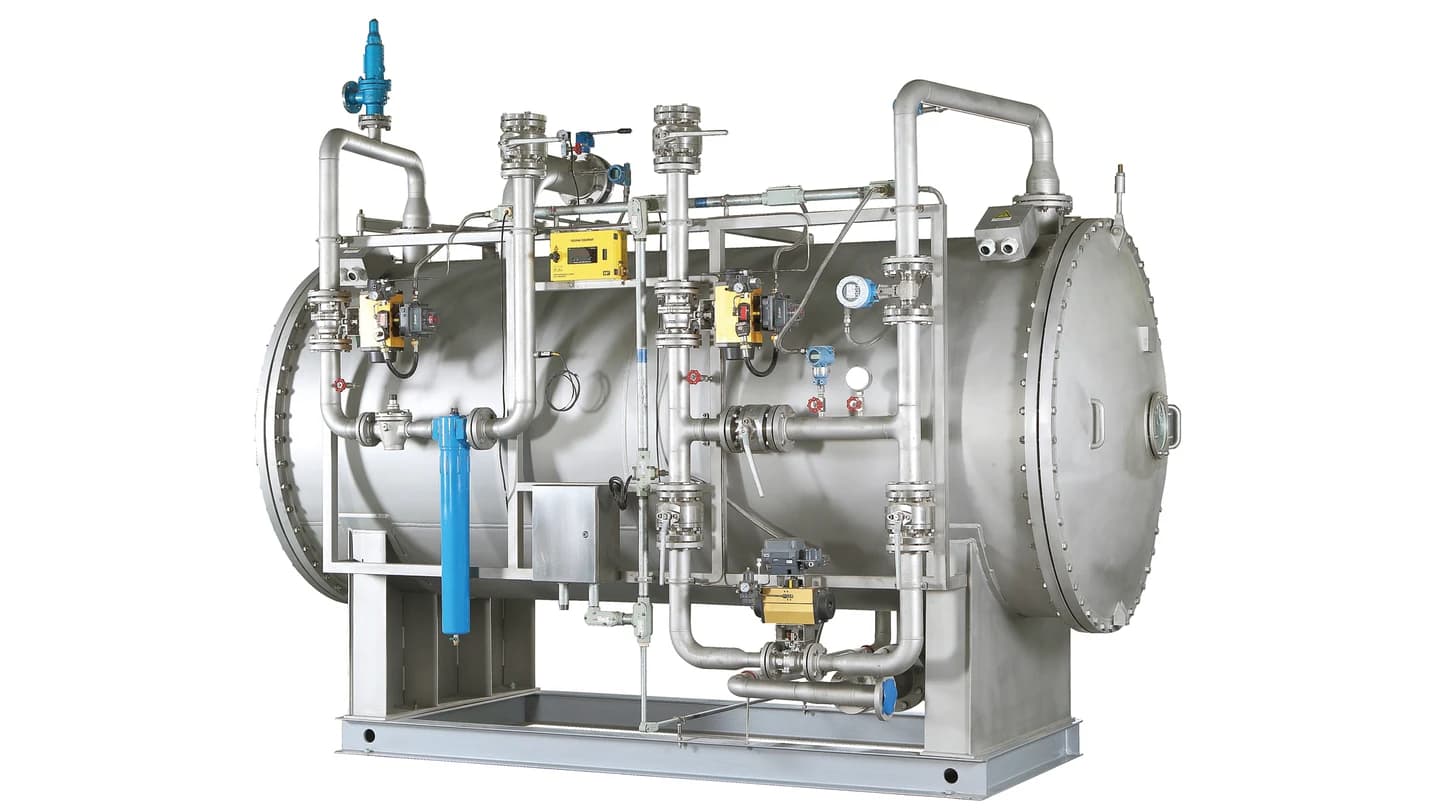
Plan to maintain the complete ozone system: the generator, its gas supply, cooling, ozone-transfer equipment, off-gas treatment and instruments. The work required depends on the equipment supplied and how your plant uses it. A useful maintenance proposal explains the tasks, replacement items, skills and interruptions you should budget for.
If a quotation describes the generator as low maintenance, ask what that description includes. A reliable ozone-producing unit still depends on equipment around it. Filters, a cooling pump or a measuring instrument can need attention even when the generator itself is operating normally.
Which parts will your team need to maintain?
Start with the actual equipment list. An on-site oxygen plant creates different maintenance work from a purchased-oxygen connection; an air-cooled unit has different supporting equipment from a water-cooled installation. The complete ozone-system guide explains those equipment groups.
- Gas supply and preparation
- Identify compressor, filter, dryer and oxygen-package service where fitted. Include gas-quality checks and the instructions for each supplied unit.
- Ozone generator and power equipment
- Obtain the specified inspection and service tasks for the generating assembly, power supply, cabinet ventilation and electrical equipment.
- Cooling equipment
- Include pumps, fans, heat exchangers or chillers that the design needs. Define checks for the required cooling conditions and any cleaning or water-treatment work.
- Ozone transfer and water connections
- Include the fitted injection equipment, circulation pumps, valves and backflow protection. Check how components can be accessed and isolated for service.
- Off-gas handling
- List the checks and service requirements for the selected destructor and its supporting equipment. Catalyst, heating and moisture-management needs depend on that design.
- Measurement and protective controls
- Budget for instrument checks, calibration and specified replacement items, plus the approved testing of alarms and protective shutdown functions.
Ask who maintains equipment shared with the rest of the plant. If cooling water comes from a site utility, the ozone supplier's service visit may not include the cooling-water system. That work still needs a named responsible team and a budget.
How often does an industrial ozone generator need servicing?
There is no single service interval that fits every industrial ozone system. Use the maintenance instructions for the offered generator and each supporting package. The plan should identify calendar-based work, work due after a stated number of operating hours, and checks or replacements triggered by condition.
Those triggers answer different questions. A continuously operated plant accumulates hours differently from a batch process. Dust, moisture, cooling conditions and the quality of the gas supply can also change the work needed. An annual service visit may be part of a plan, but it does not automatically cover the inspections required between visits.
Before comparing suppliers, give them your expected running hours and site conditions. Ask which assumptions their maintenance estimate uses and what would require a revised schedule. For feed-gas conditions, use the gas-quality guide; it explains why drying and contamination control deserve attention before purchase.
Separate routine checks from specialist service
A trained operator may be assigned observations such as reviewing alarms and recording permitted operating readings. Opening electrical equipment, working on ozone piping or servicing a measuring cell requires the relevant competence, instructions and safe working arrangements. Have the supplier distinguish these tasks in the handover documents.
A display that shows a number does not prove the instrument is measuring correctly. The service plan should specify how each measurement is checked, whether calibration is required, and what consumables or replacement components that particular instrument uses. Different sensor designs need different treatment.
Compare three kinds of time, not just the service visit
A short maintenance task can cause a much longer interruption to treatment. When reviewing a proposal, separate:
- Labour time: the hours needed from your staff or the service technician.
- Treatment interruption: the time during which the required ozone duty is unavailable, including preparation and the checks needed before returning to service.
- Failure-recovery time: the time needed to identify a fault, obtain the correct part, arrange competent help and restore accepted operation.
A readily replaceable part is useful only if it is identified correctly, available when needed and accessible in the installed layout. Ask which tasks fit within your normal shutdown window and which require a separate outage. Include service clearances in the layout review before equipment is ordered.
Check what standby equipment actually protects
Consider a proposed installation with two ozone generators sharing one cooling circuit. The second generator may help during work on the first generator, but it does not remove a failure of their shared cooling supply. The same question applies to shared gas equipment, controls or transfer pumps.
This is a reason to discuss the required treatment availability with the supplier. Ask which maintenance and failure cases the proposed arrangement can accommodate, what duty remains available, and which shared components can still stop treatment. The number of generators alone cannot answer those questions.
Who will perform the work at your site?
Make the division practical: what your trained operators do, what your maintenance team does, and what needs a specialist visit. Confirm the training, tools and documents each group receives. For an overseas project, establish who can attend your location and which assistance is remote, with the terms written into the proposal.
Maintenance planning must also provide for safe access, electrical isolation, trapped pressure and residual ozone, as applicable to the work. The HSE guidance on safe equipment maintenance explains the general principles of competent personnel and preparation. Apply the supplied equipment instructions and your site's safety requirements; this article is not a procedure for opening or repairing a live system.
The industrial ozone safety guide covers the wider protective functions to include in a project. A maintenance estimate should allow for those functions, rather than treating their inspection as an optional extra.
Which spare parts and documents should you request?
Ask for an itemised service package alongside the equipment quotation. It should make five things clear:
- A schedule for the offered equipment: task, trigger, required skill and expected interruption, with references to the relevant manuals.
- A component-specific parts list: part numbers, quantities and approved specifications, including any instruments and auxiliary packages.
- A reason for holding each spare: routine replacement, a critical failure that would stop treatment, or an item that can reasonably be ordered when needed.
- Storage and supply details: shelf life or storage conditions where applicable, quoted lead times, and the process for identifying and ordering the correct replacement.
- Written support terms: training, remote assistance, site attendance, charges and warranty inclusions or exclusions.
Keep routine consumables separate from critical spares. A regularly replaced filter element and an electronic component held against an unexpected failure serve different purposes in the budget. For each proposed spare, ask what happens to treatment while you wait for a replacement. Use that consequence, the quoted supply time and your shutdown window to decide what to hold on site.
Do not choose a replacement seal, tube or valve solely because its dimensions match. The approved material, pressure, temperature and chemical-service requirements also matter. Confirm substitutions with the responsible equipment supplier.
How should maintenance affect the buying decision?
Compare the complete service requirement over the same operating period. Include labour, parts, instrument work, contractor travel where needed, and the effect of interruptions on your plant. A low parts allowance may leave out work performed by your own team or by another package supplier.
Combine that information with the ozone-system cost comparison and the electricity-budget guide. Maintenance is one operating cost, and it also affects how confidently you can keep the required treatment available.
GUOLIN designs, manufactures and integrates complete industrial ozone systems. When you discuss a project with us, include the application, expected operating hours, available gas and cooling supplies, shutdown opportunities and local maintenance resources. Ask for the proposed equipment, service responsibilities and recommended spares to be defined together. If the generator range is still undecided, start with the industrial ozone system options.
Frequently asked questions
Are replacement parts automatically included in an ozone-system warranty?
Use the written terms for the offered equipment. Check how they treat routine consumables, replacement components, labour, travel and third-party packages. A spare-parts quotation and warranty coverage are separate items to confirm before ordering.
Can remote support replace an on-site service visit?
Remote help can support fault identification and document or parts selection, but physical inspection and replacement still require a suitably competent person at the equipment. Confirm which tasks your local team can perform and how specialist attendance would be arranged when needed.
Related articles
Buying Guide
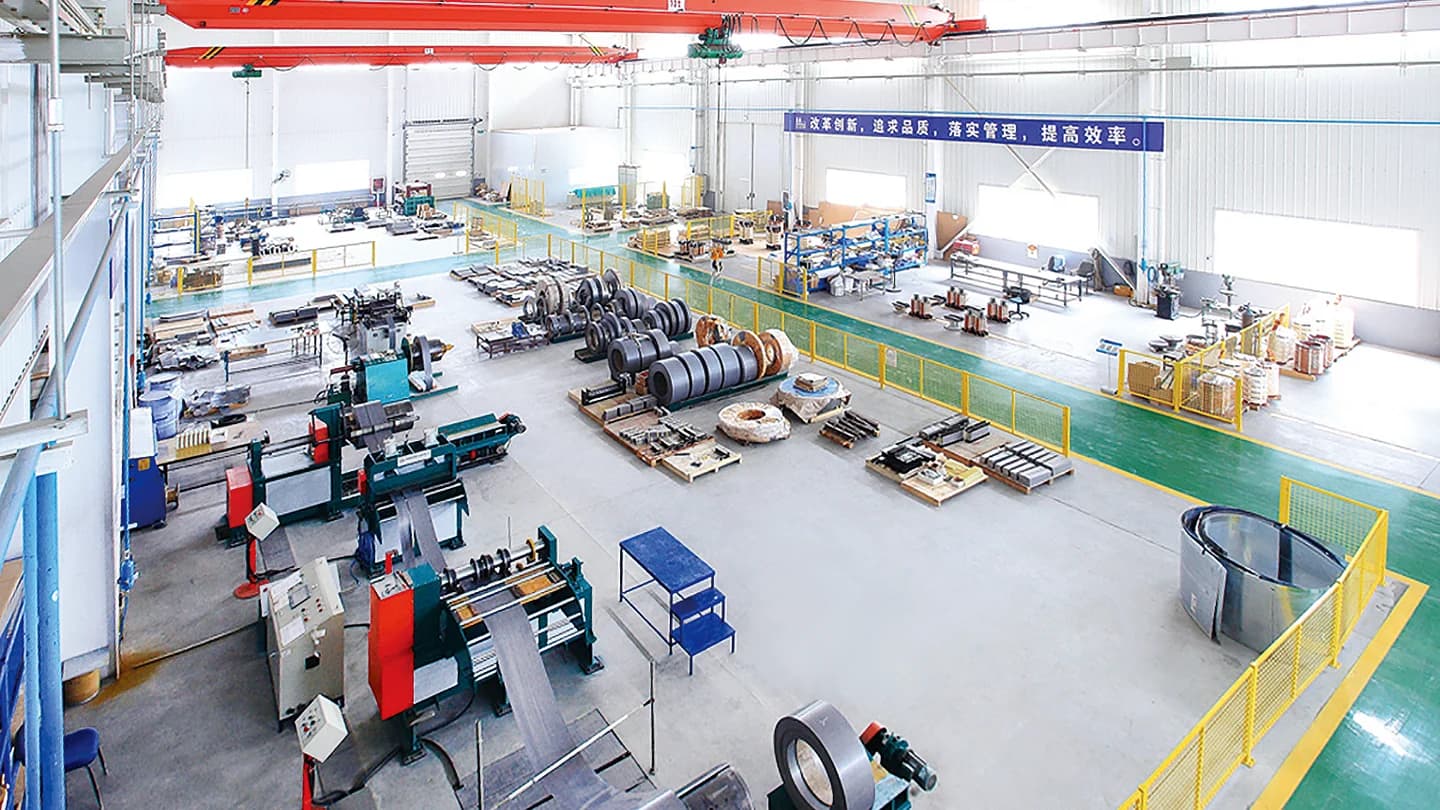
Industrial Ozone System Cost: What Changes the Price?
Understand why industrial ozone system quotes differ, what a complete price includes, and how to compare equipment, installation and operating costs.
Buying Guide
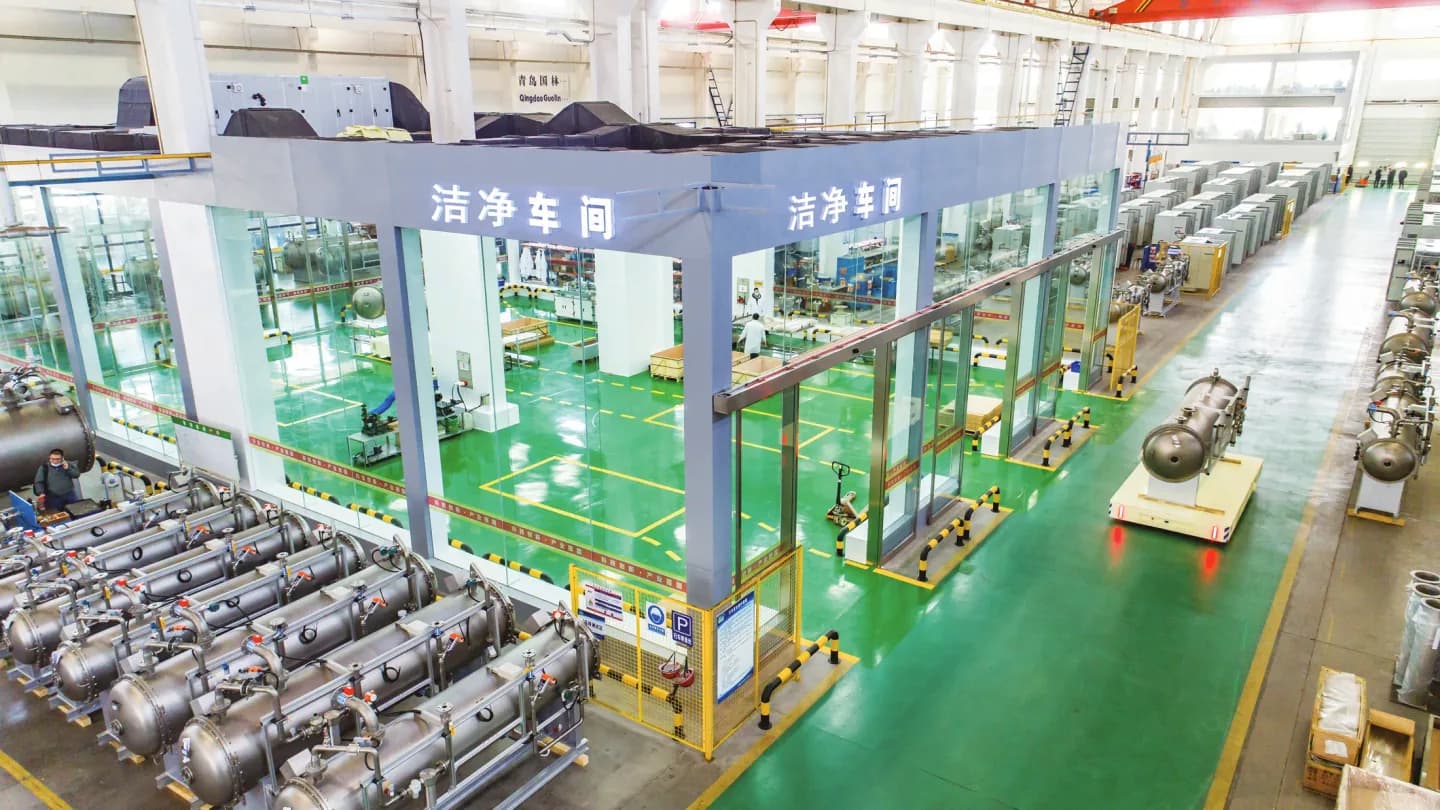
What Is Included in a Complete Industrial Ozone System?
Compare the equipment included in an industrial ozone system, spot quotation exclusions, and decide what the supplier and your site need to provide.
Technology
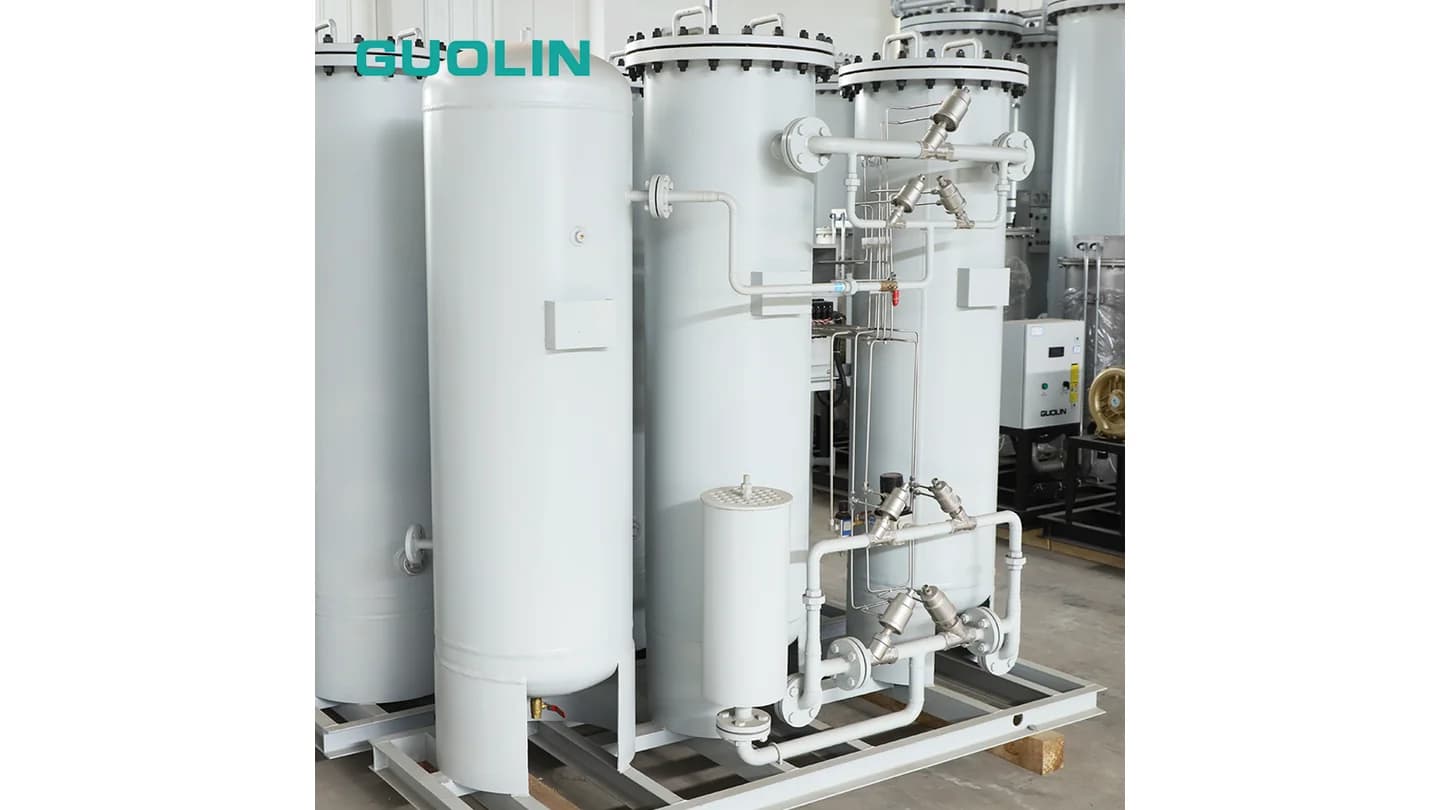
Ozone Generator Feed-Gas Requirements: Dew Point and Purity
Check the air or oxygen your ozone generator needs: dryness, purity, pressure, flow and cleanliness, with practical questions for the equipment supplier.
Technology
Industrial Ozone System Safety: A Practical Checklist
Review the safeguards an industrial ozone installation needs, from ventilation and leak detection to interlocks, oxygen supply and emergency planning.