
How Much Electricity Does an Industrial Ozone Generator Use?
Estimate industrial ozone electricity costs with kW, kWh and kWh/kg. See a worked example, auxiliary loads and the questions to ask before comparing quotes.
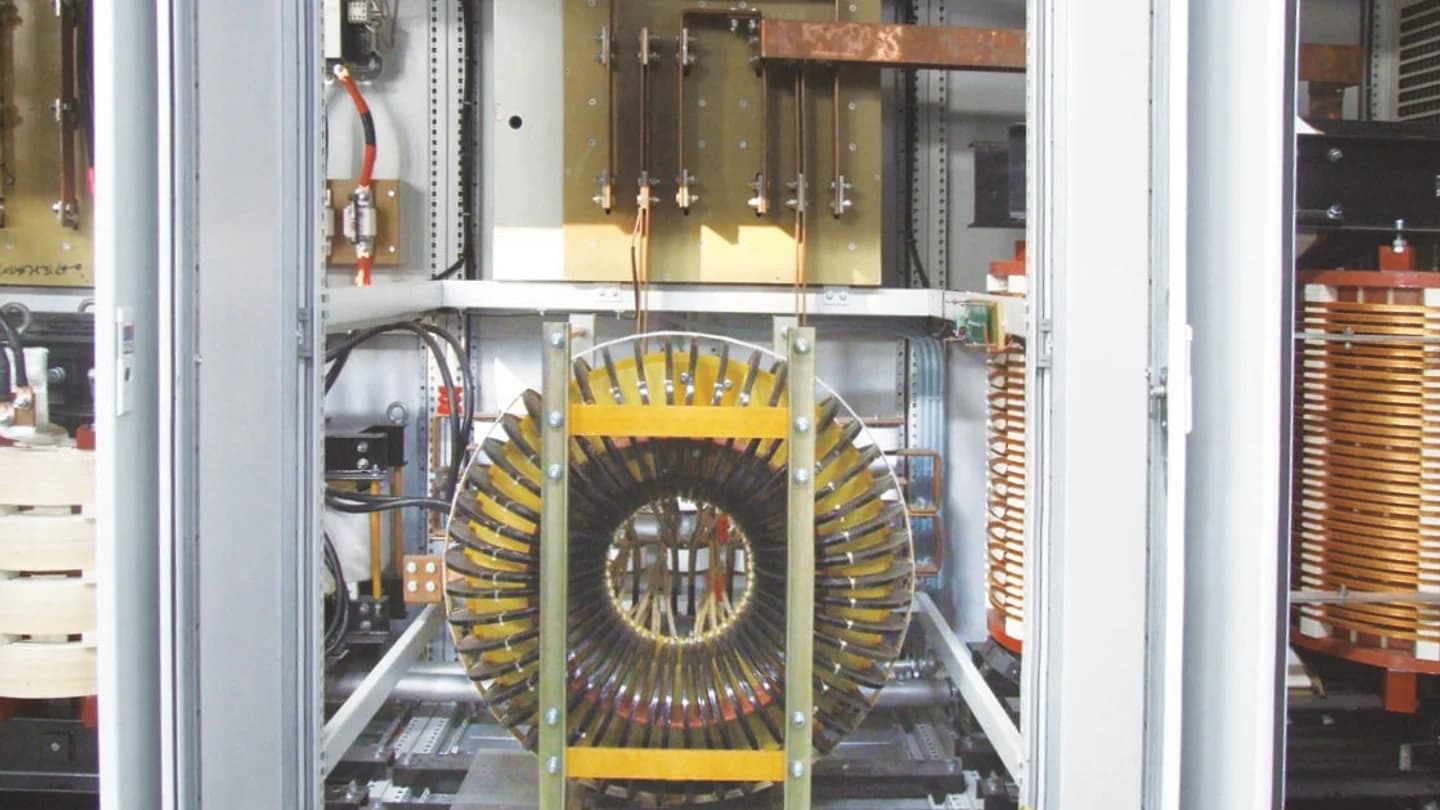
An industrial ozone generator's electricity use depends on its actual output, operating conditions and the equipment included in the power figure. A generator-only efficiency figure can help you estimate the generator's draw. It does not tell you the electricity bill for the complete ozone system.
If you have two quotations on your desk, ask what each energy number covers before choosing the lower one. Oxygen production, cooling and other equipment can sit outside that number—and some consumers may remain on when ozone production stops.
Start with three units: kW, kWh and kWh/kg
You do not need to be an electrical engineer to distinguish these:
- kW is electrical power: how fast equipment uses electrical energy at a particular moment or operating state.
- kWh is electrical energy: the amount used over time. A steady 50 kW load running for 16 hours uses 800 kWh.
- kWh/kg of ozone is specific energy: electricity consumed per kilogram of ozone generated, within a stated equipment boundary and at stated conditions.
The EIA's electricity-unit explanation is a useful optional check on the first two definitions. For an ozone proposal, also check the denominator: energy per kilogram of pollutant removed or per cubic metre of treated water is a treatment metric, not the generator's kWh per kilogram of ozone.
At the same operating point and electrical boundary, the relationship is:
Generator electrical input (kW) = specific energy (kWh/kg of ozone) × ozone output (kg/h).
Use actual output for that operating case, with a specific-energy value that applies to it. A peak-capacity label paired with an efficiency number from a different load or concentration does not give a reliable estimate.
Which equipment is included in the electricity figure?
Imagine drawing a line around everything whose electricity you intend to budget. Then ask each bidder to use that same line. Depending on the project, it may include:
- Ozone generation: power conversion, discharge equipment and the cabinet's own electrical consumers.
- Feed-gas supply: an air compressor, dryer, oxygen-production package or booster, where fitted.
- Cooling: pumps, fans or a chiller's electrical input, including an agreed allocation from shared site equipment.
- Gas transfer and remaining-gas handling: injection or circulation pumps, blowers and any electrically heated destructor.
- Supporting functions: controls, instruments, ventilation and other required consumers within the agreed scope.
Count each load once. If a package input already includes its internal cooling pump, do not add that pump again. Equally, a cooling duty stated in kW of heat removal is not the same as electrical kW. Ask for the electrical demand of the selected cooling arrangement at the site's conditions.
Purchased liquid or gaseous oxygen changes the cost boundary. Its production electricity may not appear on your site's meter, but the oxygen supply still has a price and delivery terms. Compare that purchase cost with the relevant on-site generation costs; neither route is automatically cheaper. The feed-gas comparison explains the supply choices.
Why can two generators with the same kg/h use different power?
Output alone leaves several questions unanswered. Are both figures for the same ozone concentration, feed-gas composition and pressure? Are the cooling-water and ambient conditions comparable? Is the number measured at full output, a normal operating point or a favourable test condition?
Those differences can change the electrical comparison. They can also change gas flow, cooling requirements and the surrounding equipment. A lower generator-only figure therefore needs a second question: does the complete proposal achieve the same treatment objective at lower comparable cost? Higher gas concentration alone does not prove that it will.
Check the hours you will actually run
A plant that needs maximum output briefly and reduced output for the rest of the day should not budget every hour at one full-load figure. Ask for electrical input at the proposed minimum, normal and peak duties, and for the equipment that remains running between production periods. Do not assume that half the ozone output means half the total power.
First confirm the ozone duty itself. Oversimplifying water flow, demand and transfer can produce a neat energy calculation for the wrong generator size. Use the industrial ozone sizing guide to separate those inputs.
A worked daily electricity-cost example
Every value in this example is an invented teaching assumption. It is not a GUOLIN rating, measured installation, typical efficiency, operating recommendation or electricity quotation.
Assume a system produces 4 kg/h for 16 hours. For that operating point, suppose the generator-only specific energy is 10 kWh/kg, so its electrical input is 40 kW. Assume the other included electrical consumers together add 10 kW during production. During the remaining 8 hours, assume the agreed system boundary still draws 2 kW in a nonproducing state.
Hypothetical arithmetic only
One day, two operating states
Count electrical consumers once, then add the energy used in each period.
Production: 16 hours
40 kW generator + 10 kW included auxiliaries
(40 + 10) kW × 16 h
800 kWh
Nonproducing: 8 hours
Assumed remaining draw within the same system boundary
2 kW × 8 h
16 kWh
Daily electrical energy: 800 + 16
816 kWh
At an illustrative energy tariff of €0.10/kWh, 816 kWh costs €81.60 for the day. This is only the energy component. Your bill may also contain demand, fixed, tax or other charges, and your actual tariff may vary by time of day. Apply the corresponding rate to each period if it changes.
The generator-only shortcut would have counted 40 × 16 = 640 kWh. In this invented case it would miss 176 kWh of auxiliary and nonproducing consumption. The boundary explains the difference; it does not establish a typical saving or penalty.
What should you ask a supplier to provide?
Ask for one energy schedule covering the equipment actually offered. A useful reply puts these five items alongside each other, so you can see which assumptions a low energy figure depends on:
- The duty: ozone output, gas concentration and basis, feed-gas conditions, cooling conditions and expected hours.
- The electrical boundary: included consumers, excluded site equipment and the allocation used for shared utilities.
- The input data: total electrical kW, whether it is measured, calculated or guaranteed, and the conditions attached to it.
- The nonproducing states: what stays energised, its draw and the assumed duration, as defined for that design.
- The verification plan: where energy will be metered, how ozone mass output will be established and which operating conditions will be recorded over the same period.
Keep electrical installation data separate from the operating budget. Supply voltage, phases, current, power factor, startup requirements and protective-device selection need project-specific electrical assessment. A connected rating is not automatically the average running input; a calculated average is not a circuit-sizing instruction. The site-utility guide covers the wider interfaces.
Look for avoidable consumption without removing necessary functions
Once you have comparable data, examine whether the selected capacity, operating schedule, supply arrangement or cooling design creates unnecessary consumption. Any change still has to meet the treatment duty and the equipment's permitted operating conditions.
Do not count switching off required ozone detection, destruction, ventilation, cooling or interlocks as an energy-saving measure. Changes to those functions need the responsible technical and safety review. The ozone-system safety guide explains why they belong in the project scope.
Turn the energy figure into a useful buying comparison
The better proposal is not necessarily the one with the smallest number in its efficiency column. Compare the same accepted treatment result, the same operating schedule and the same supply boundary. Then include electricity alongside oxygen, maintenance and the other costs explained in the complete ozone-system cost guide.
GUOLIN designs, manufactures and integrates complete industrial ozone systems. For a project review, send the required duty and hours, available feed-gas supply, cooling and ambient conditions, electricity tariff and intended equipment scope. Mark unknowns so the proposal can state its assumptions clearly. For larger duties, see the large-scale ozone generator range; a capacity range by itself is not an energy quotation.
Frequently asked questions
Can I calculate ozone-generator running cost from its amperage?
Current alone is insufficient. Voltage, phase arrangement, power factor and the operating state matter, and a connected rating may differ from actual input. Request suitable electrical input or metered-energy data for the agreed boundary; have circuit and protection requirements assessed separately.
Does an ozone generator at half output use half the electricity?
Do not assume that relationship. Generator efficiency can change with operating point, and auxiliary equipment may have fixed or differently controlled loads. Use the offered system's part-load and nonproducing data over your expected schedule rather than scaling one full-load figure.
Related articles
Buying Guide
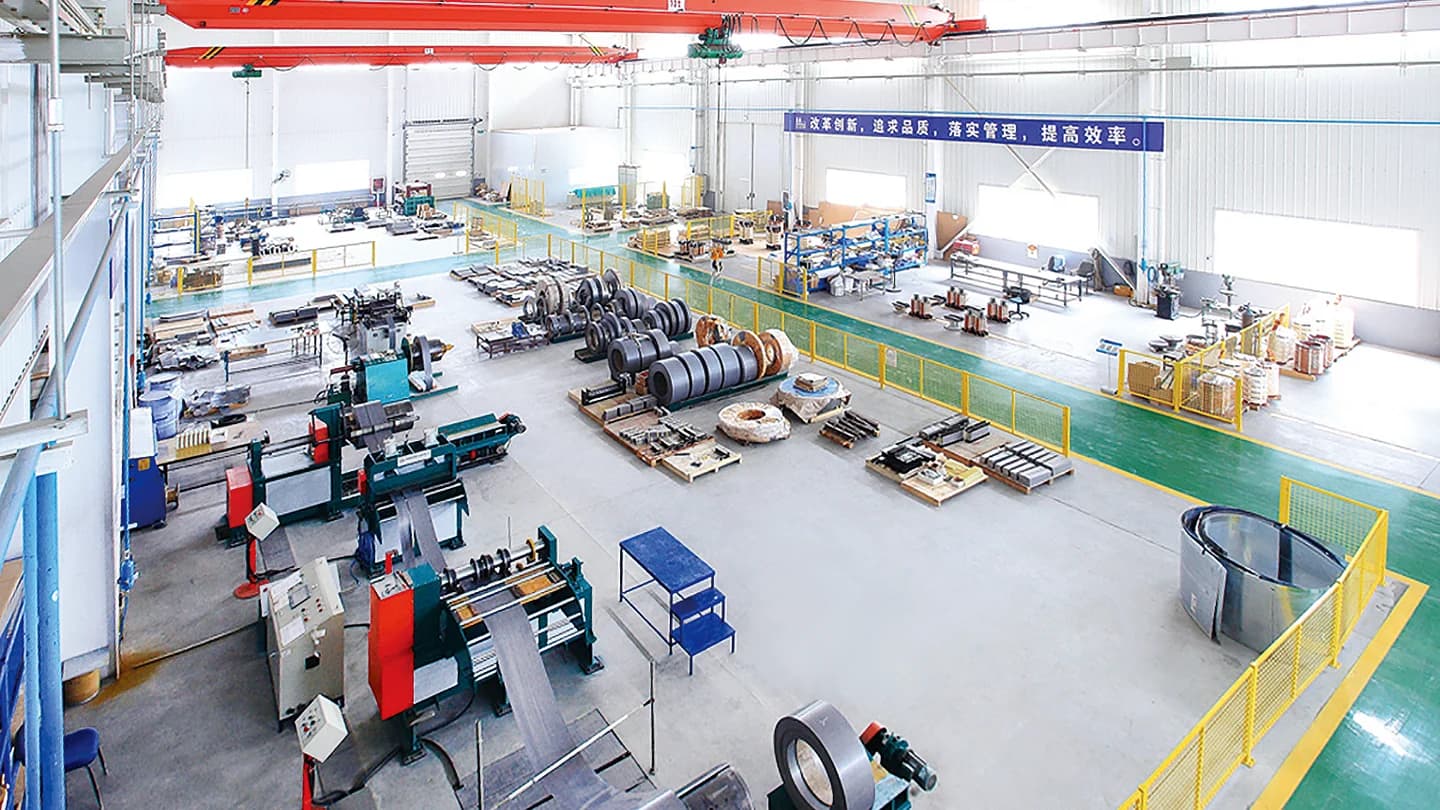
Industrial Ozone System Cost: What Changes the Price?
Understand why industrial ozone system quotes differ, what a complete price includes, and how to compare equipment, installation and operating costs.
Buying Guide
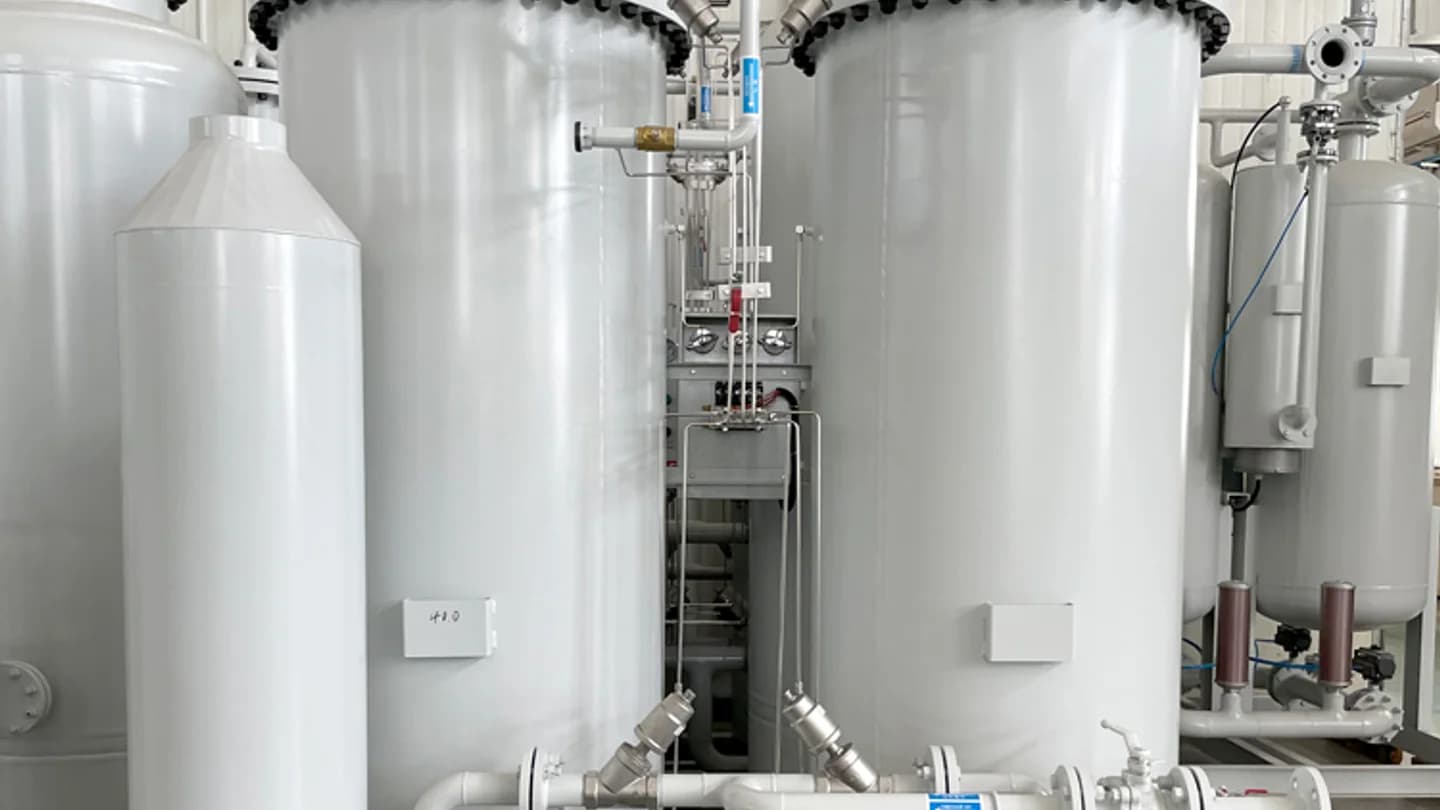
Air-Fed vs Oxygen-Fed Ozone Generators: How to Choose
Compare air-fed and oxygen-fed ozone systems by concentration, gas supply, operating costs and site requirements to decide which route suits your project.
Buying Guide
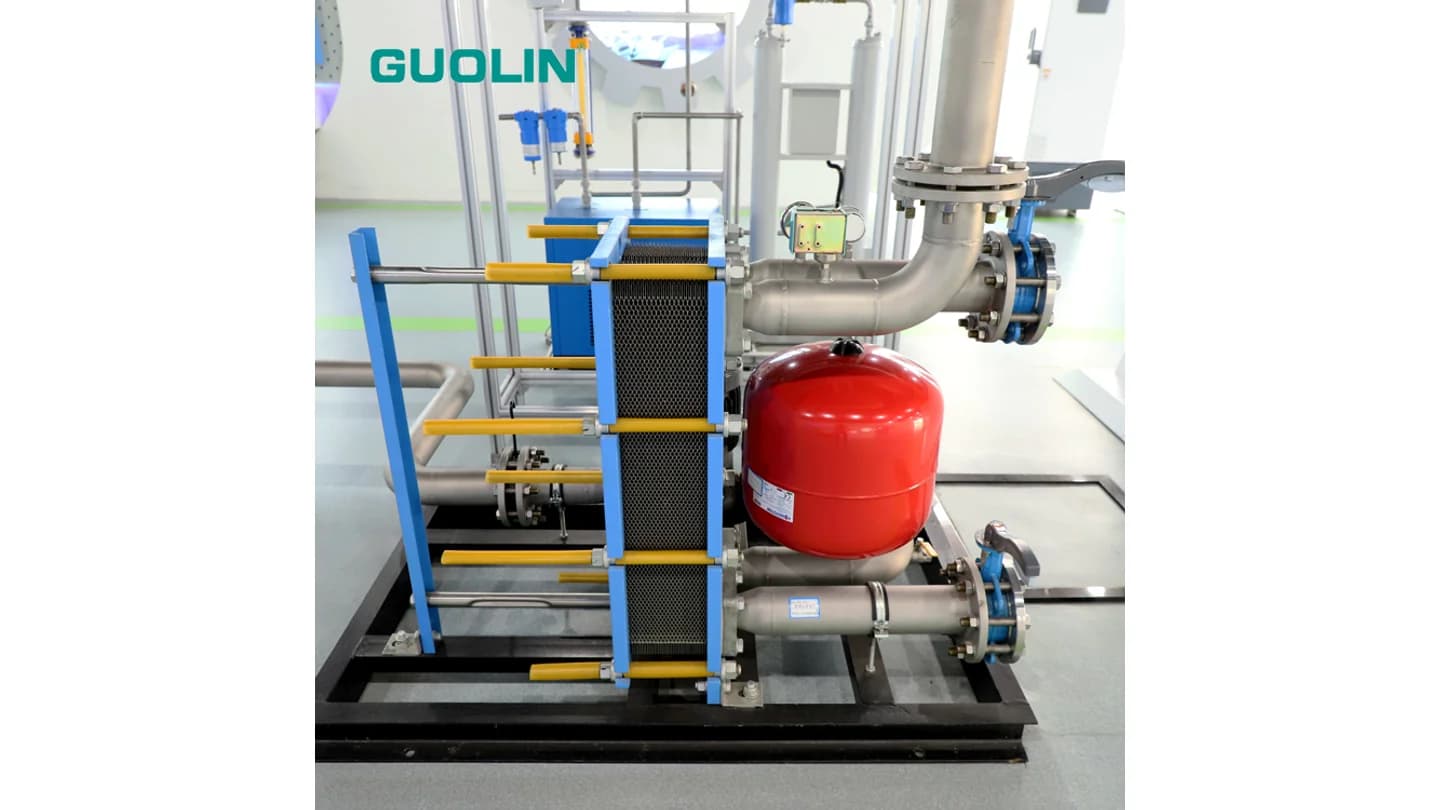
Industrial Ozone Generator Installation Requirements
Prepare power, air or oxygen, cooling, ventilation and site connections before installation. Use the checklist to clarify supplier and site responsibilities.
Buying Guide
How to Size an Ozone Generator for Water Treatment
Work out the ozone output your water-treatment project needs using flow, dose and a worked example, then check the inputs required for equipment selection.