
Ozone in Bottled Water Treatment: When Does It Make Sense?
Considering ozone for a bottling line? Check the water category, bromate risk, filling hygiene and finished-product evidence before choosing a system.
Ozone can be useful in bottled drinking-water production when it has a clear treatment job, is permitted for the product, and produces water that passes the required checks. It can provide disinfection and oxidation, but it cannot turn an unsuitable source, a poorly cleaned filler or an unapproved process into a bottle-ready operation.
If you are planning a new line or replacing a treatment stage, start with the water you intend to sell—not the generator's output. The product name, source-water report and filling arrangement can change the right choice before anyone calculates an ozone capacity.
First, which kind of bottled water are you producing?
Prepared drinking water, natural mineral water and spring water are not interchangeable descriptions. They can come with different source, treatment and labelling requirements. Also distinguish water sold as drinking water from water used to make a flavoured beverage: the ingredients and production process introduce a different set of questions.
For example, the European Commission's mineral- and spring-water guidance describes restrictions on treatment and conditions for using ozone-enriched air. Permission for a specified separation treatment should not be read as permission to disinfect any product labelled natural mineral water. Confirm the proposed process and label with the responsible authority for the intended market.
This matters for exports as well as domestic sales. An arrangement accepted for one water category in one country does not automatically qualify the same bottle for another market. Resolve that question before requesting a standard ozone package.
What can ozone do for a bottling line?
A defined microbial-control step
Where the process is allowed, ozone can be dissolved into prepared water for a specified disinfection duty. Its effect depends on the water, the organisms being controlled and the treatment conditions. A successful test in a clean laboratory bottle is useful evidence about that test; it does not validate every tank, pipe, cap and filling head in a factory.
Some bottling processes use a controlled amount of dissolved ozone around filling. That amount is a residual: ozone still present at the point and time being measured. It is not the same as the mass the generator produces. Nor does it promise lasting protection throughout the product's storage life.
Oxidation, when the water needs it
Ozone may also be evaluated for particular taste, odour or other oxidation objectives. Identify the actual problem and how you will judge the finished water. Adding an oxidation stage simply because another bottler has one is a weak basis for a purchase.
Keep source protection, filtration and cleaning in the plan. Ozone is not a catch-all purification stage, and more ozone is not automatically better water.
Does ozone leave no residue—or no by-products?
These are different claims. Ozone is unstable and can decompose to oxygen, but reactions that occur while it is present may leave other substances behind. A low ozone reading later does not prove that the earlier treatment produced no by-products.
Bromide is a constituent that may be present in the incoming water. Bromate is a different chemical that can form when such water is ozonated. The WHO bromate fact sheet explains this formation route and why removing bromate after it forms is difficult. Its drinking-water guidance is not a substitute for checking the rules for your bottled product.
Have the water assessed before the ozone duty is fixed. Relevant information includes bromide, pH, temperature, organic matter and changes in the source or blend. Evaluate the proposed treatment against both its microbial objective and the applicable chemical requirements. Do not sacrifice one to obtain a good result for the other.
An online ozone analyser is not a bromate test. Agree suitable laboratory analysis and representative samples with the plant's quality team. The bromate-control guide explains the broader chemistry and control choices; none is a universal recipe for a bottling line.
Can ozone replace reverse osmosis or UV?
Compare the jobs first. The three technologies do not do the same thing:
- Reverse osmosis separates substances through a membrane. It may be part of preparing water with a particular dissolved-salt composition. Ozone is not a desalination stage and cannot replace that separation duty merely because it disinfects.
- UV treats water passing through a suitable reactor. Its effectiveness needs to be established for the water and operating range. It does not supply an ozone residual to a downstream tank or bottle.
- Ozone adds a reactive oxidant. It needs a way to transfer the gas into the water, appropriate treatment conditions, measurement and safe handling of remaining gas. It also brings a water-chemistry and by-product review.
A line may need more than one of these jobs. It may also achieve its objective without an ozone stage. There is no universal rule to put ozone before or after every membrane, UV unit or mineral-addition step. Review the sequence, materials and intended water composition together. For a wider comparison, see ozone, chlorine and UV by treatment duty.
Buy for the bottles you release, not one good test
A quotation can specify every item of equipment and still leave the product result unclear. Write the acceptance statement with three parts: which water and sales market it covers, which microbial and chemical requirements must be met, and which operating conditions and packaging have been assessed. If these are missing, the generator rating does not fill the gap.
Even for an approved process, a steady-running test is only part of the picture. Agree what happens when filling slows or stops, when production resumes, and when the water or packaging changes. These are useful purchasing questions, not instructions to alter the line without its operating and quality teams.
Keep with the equipment proposal
A bottle-ready acceptance sheet
One good reading is not a complete release decision. Ask what evidence covers each operating state.
Normal production
What counts as an acceptable sealed product?
Agree microbial results, chemical requirements and packaging or taste checks—not just the ozone reading.
Pause and restart
What changes when water or bottles stop moving?
Have the process and quality teams define the controls, hold decisions and evidence needed to resume filling.
Water or packaging change
Does the earlier evidence still apply?
Review changes in source, blend, temperature, bottle, cap or liner before carrying the previous acceptance forward.
Include the actual bottles, caps and liners in the review. Material compatibility and taste or odour after storage need evidence for the proposed packaging and conditions. A clean water sample upstream of the filler cannot answer every question about the sealed product.
For returnable containers, keep inspection, washing and sanitation as their own controlled operations. Product-water ozonation does not demonstrate that a dirty bottle was cleaned, or that a filler is free of contamination. If ozone is also proposed for equipment sanitation, define and validate that separate use rather than assuming one water-treatment result covers both.
What should the equipment proposal include?
Ask for a system proposal that fits the line. The generator is one part of it. The dosing and contact arrangement, measurement, off-gas treatment and controls need a coordinated scope. Ozone-bearing gas must be managed so operators are not exposed; ventilation, ambient detection and failure response belong in the site design, not in an afterthought.
You do not need to arrive with a model number. A useful first enquiry can include:
- The product category, production country and intended sales markets.
- The source and prepared-water analyses, including known variations and any missing bromide data.
- Actual water flows and filling patterns, including pauses—not just the filler nameplate capacity.
- Existing treatment, tanks, filling equipment and the proposed ozone connection.
- The treatment objective, current quality problem and product acceptance requirements.
- Packaging details, available utilities, space and the responsibilities shared with the filler supplier and quality team.
Then establish the treatment evidence and use it to select ozone capacity. Confirm where and how dissolved ozone will be measured. A concentration in a brochure, a gas-output rating and a reading at the filler are not interchangeable acceptance values.
Start with the water and the production question
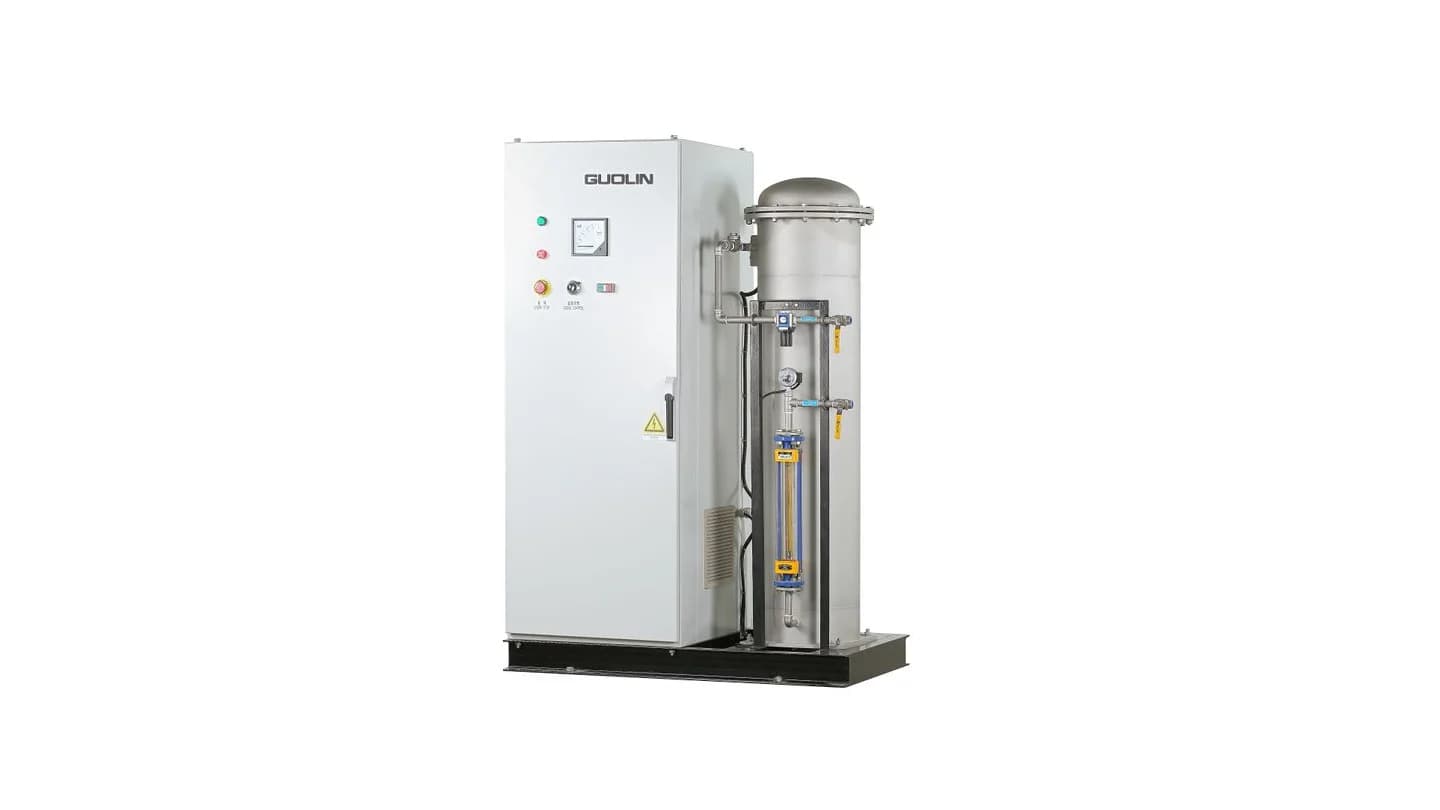
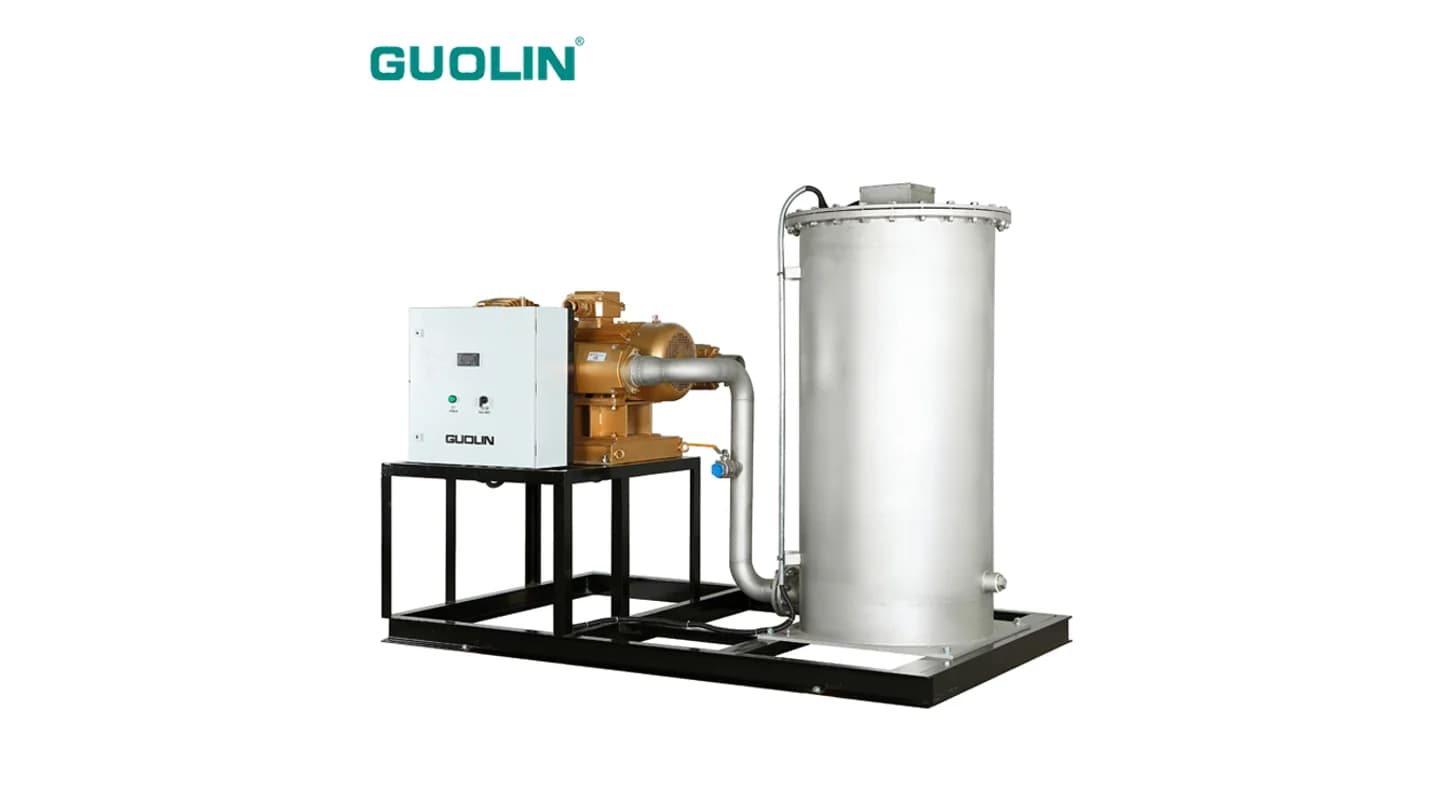
GUOLIN supplies complete ozone systems with project-specific equipment and integration scope. The equipment pictured above is not a bottling installation or a model selected for your water. Explore the compact ozone-generator range and food and beverage applications for the available discussion paths.
If the category is clear but the treatment duty is not, say so. If you have a water report but no trials, send the report and identify the missing work. Use the project enquiry to describe the line and the result you need; the next step should establish whether ozone belongs in that process before comparing equipment prices.
Frequently asked questions
What ozone concentration should a bottled-water line use?
There is no concentration that this guide can safely assign to every bottler. Product category, permitted process, water chemistry, treatment objective, contact conditions and actual filling operation must be established. Agree the sampling point, method and acceptance criteria; a generator gas rating is not a dissolved-ozone target.
Can one ozone system treat product water and sanitise the filling equipment?
A shared generation source may be considered in a coordinated design, but product-water treatment and equipment sanitation remain separate duties. Each needs an appropriate supply and contact arrangement, controls, material compatibility and validation. Do not assume that a product-water test proves equipment cleanliness or that both uses can operate together without a designed capacity and safety assessment.
Related articles
Application Guide
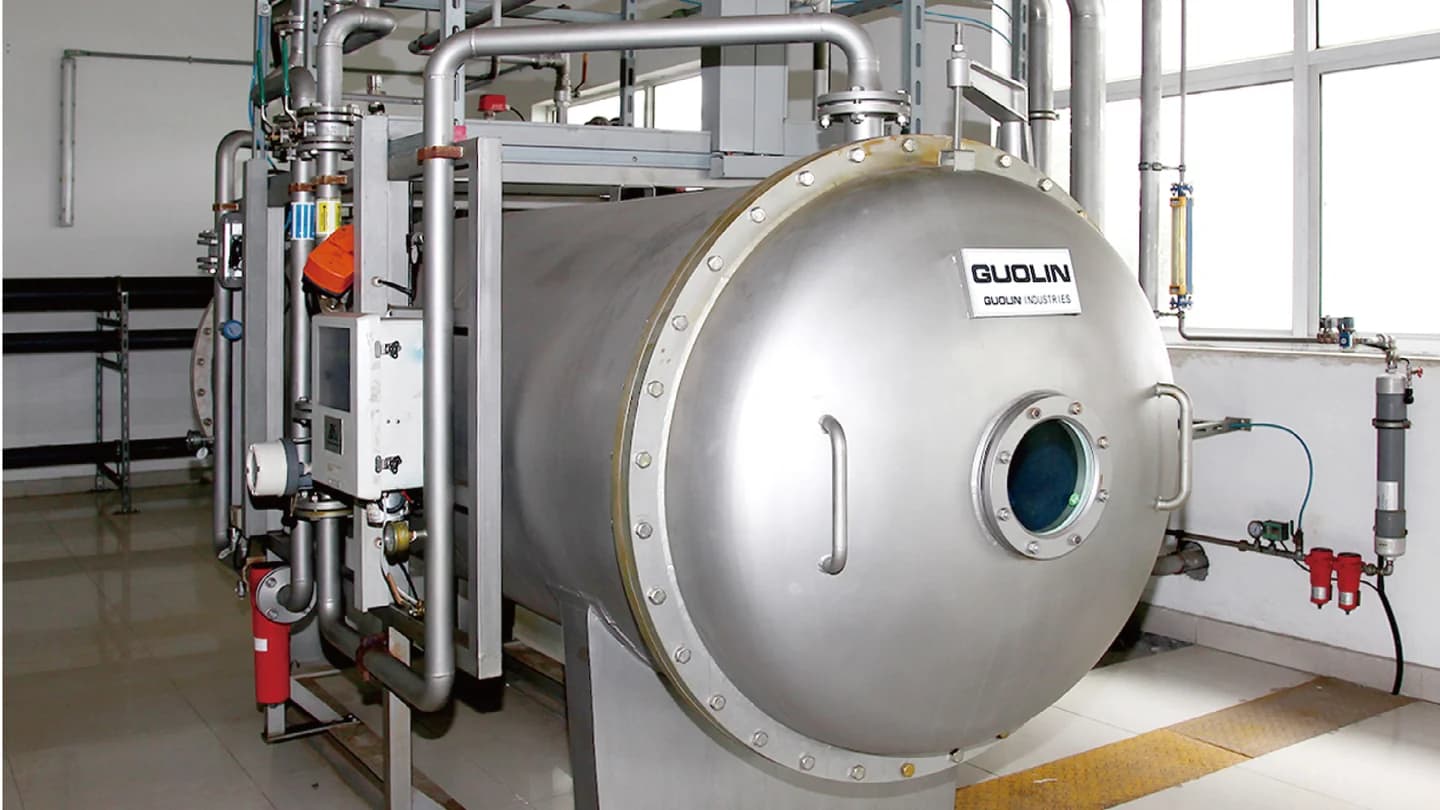
Bromate in Drinking-Water Ozonation: Causes and Control
Understand why bromate can form during ozonation, which water and operating conditions affect it, and how to evaluate control and monitoring options.
Technology
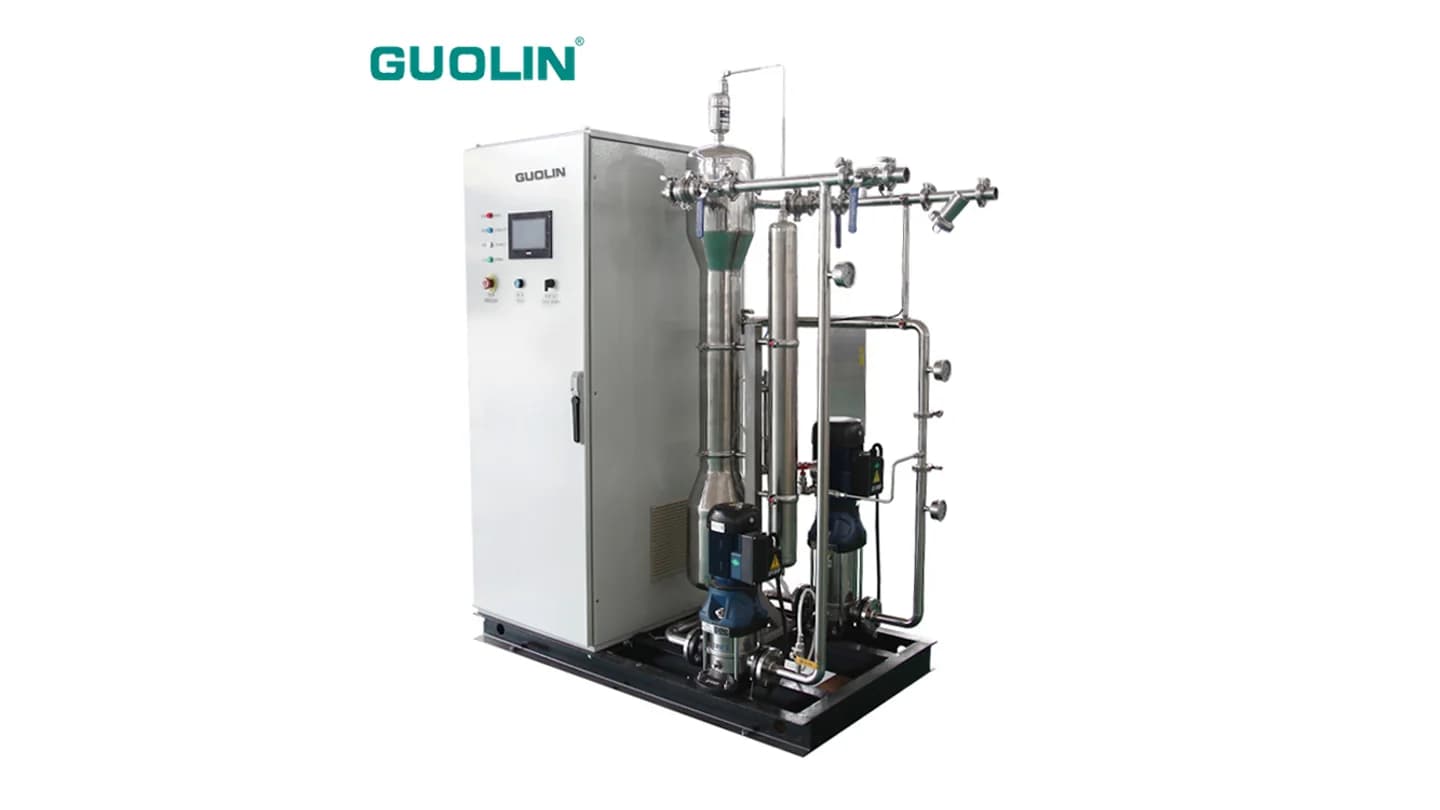
How to Measure Dissolved Ozone in Water
Compare dissolved-ozone tests and online sensors, understand when ORP is useful, and avoid sampling errors that can mislead water-treatment decisions.
Buying Guide
Industrial Ozone System Cost: What Changes the Price?
Understand why industrial ozone system quotes differ, what a complete price includes, and how to compare equipment, installation and operating costs.
Technology
Industrial Ozone System Safety: A Practical Checklist
Review the safeguards an industrial ozone installation needs, from ventilation and leak detection to interlocks, oxygen supply and emergency planning.