
Ozone in Recirculating Aquaculture Systems: Side-Stream Design, ORP and Residual Control
Plan ozone in RAS: side-stream placement, ORP and residual monitoring, fish and biofilter protection, controls, commissioning and acceptance.
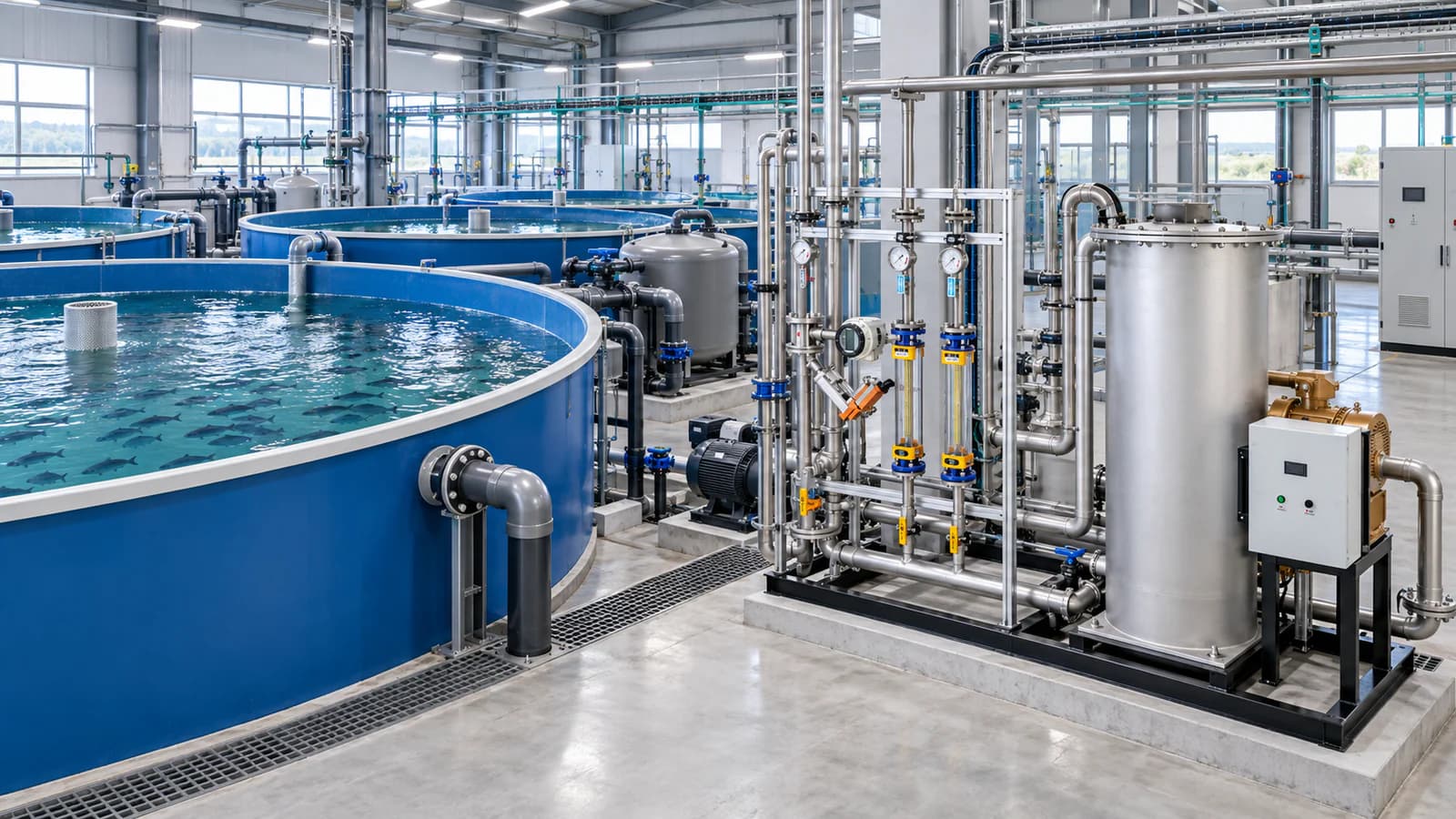
Short answer: ozone in recirculating aquaculture systems should normally be engineered as a controlled treatment side stream—not as uncontrolled gas addition to a culture tank. The project must establish ozone demand in the actual water, transfer and contact the gas in a contained stage, remove residual ozone or longer-lived oxidants, degas the water and verify a safe return condition. ORP is useful as a trend and interlock signal, but it does not directly measure dissolved ozone, total residual oxidants or animal safety. Freshwater, brackish water and seawater therefore need different monitoring and acceptance plans.
This guide is for RAS owners, hatcheries, fish and shrimp producers, aquaculture engineers, process integrators, operators and procurement teams evaluating an ozone stage. It explains the decisions needed before selecting an ozone-generator model. It does not prescribe one dose, ORP setpoint, contact time or residual limit for every species and water matrix.
The practical rule is: protect the culture loop by designing the complete ozone side stream around the real water and the required return condition. Generator output is only one input. Solids removal, organic loading, nitrite, salinity, contact hydraulics, residual destruction, degassing, measurement location, biofilter arrangement, species and life stage all affect whether the same generated ozone mass becomes useful treatment or harmful exposure.
What can ozone do in a recirculating aquaculture system?
RAS reuse water through a coordinated train that may include solids removal, biological filtration, gas management, oxygenation, temperature control and one or more microbial barriers. Feed, faeces, mucus, fine particles and dissolved organic matter accumulate between water exchanges. Ozone may be considered to oxidize part of that dissolved load, reduce colour, support fine-particle aggregation or foam fractionation, oxidize nitrite under some conditions and reduce susceptible microorganisms in the water that actually passes through the contact stage.
Those are separate treatment objectives. A clearer water column does not prove pathogen control. A lower nitrite result does not prove that dissolved organic matter has been managed. A decline in culturable bacteria in a treated side stream does not establish disease prevention throughout tanks, pipes, surfaces, fish and the biofilter. Define the primary duty and supporting benefits before design begins.
The University of Florida guidance on RAS fish health places ozone in an isolated contact chamber and emphasizes removal of residual before return. The New South Wales aquaculture guidance likewise treats ozone as a controlled process whose location, monitoring, residual management and worker safety matter. These principles are more transferable than any one published operating value.
What ozone does not replace
Ozone does not replace rapid solids removal, adequate biofiltration, oxygen supply, carbon-dioxide stripping, temperature control, feeding management, stocking decisions, quarantine, veterinary biosecurity or an emergency response. It also does not make an unstable hydraulic loop stable. If the process objective really belongs to one of those functions, correct that boundary rather than expecting a larger ozone generator to compensate.
Disinfection language needs particular care. Ozone can inactivate susceptible organisms under validated exposure conditions, but the treated fraction, ozone demand, organism, contact hydraulics and reinfection pathways determine the practical result. The ozone, chlorine and UV comparison explains why an oxidation stage, a validated microbial barrier and a persistent residual are not interchangeable.
Where should ozone be added in a RAS?
A defensible starting point is a contained side stream after effective removal of coarse and readily separable solids. Reducing particulate demand before ozonation helps the applied mass reach the intended dissolved or microbial target and makes monitoring less erratic. The exact draw-off and return points still depend on the existing train, hydraulic head, biofilter position, foam fractionation, UV, oxygenation and the purpose of ozonation.
Water is diverted into a defined ozone-treatment boundary. Gas is generated from specified feed gas, measured, injected or diffused into the water, mixed and retained in a contact device. Undissolved ozone-bearing gas follows a closed path to a suitable destructor or safe discharge arrangement. Treated water passes through the required residual-destruction and degassing steps and reaches a named monitoring point before it can return to fish or sensitive biological treatment.
Protected culture-loop boundary
Treat a controlled side stream, then prove the return condition
The exact RAS sequence can change, but these five functions and their owners cannot disappear.
Condition the side stream
Remove coarse solids and confirm water flow and demand envelope.
Generate and meter ozone
Measure product-gas concentration and gas flow on declared bases.
Transfer and contact
Contain injection, mixing, contact hydraulics and wet off-gas.
Destroy and degas
Manage water-phase residual and route ozone-bearing off-gas safely.
Verify before return
Accept the matrix-specific residual condition before the culture loop.
Fish and crustaceans protected
Biofilter interface defined
Fault and bypass paths controlled
There is no universal component sequence
Some systems apply ozone within a protein-skimmer or foam-fractionation loop. Others use a dedicated injector and contact vessel. The biofilter may be upstream or downstream of the side stream, and UV may serve a different barrier duty. A research facility described in Frontiers in Animal Science, for example, divided water among several treatment loops rather than placing every function in one simple line. That layout is evidence that different architectures exist—not a template to copy.
For each proposed arrangement, mark four physical boundaries on the process and instrumentation diagram:
- Side-stream inlet: flow range, water-quality range, solids condition and the relationship to feeding and biomass.
- Ozone contact: generated and applied mass, gas concentration and flow, transfer method, pressure, mixing, residence distribution and sample points.
- Residual-management boundary: water-phase decay or destruction, gas separation, off-gas destruction and ventilation.
- Monitored return: the last accepted point before water can reach culture tanks or a protected biofilter.
If a bidder cannot draw those boundaries and show the normal, alarm, shutdown and bypass paths, a model number is premature.
Why must ozone demand be established in the actual RAS water?
Ozone reacts with more than the intended target. Dissolved organic matter, fine particles, nitrite and other reduced constituents create a changing demand. Feeding cycles, biomass growth, water exchange, temperature, solids-removal performance and cleaning events can change that demand within a day or production cycle. The same generator setting can therefore produce little measurable residual during one condition and excessive residual during another.
A feed-normalized ozone rate or a concentration copied from another farm can be useful only as a research comparison. It is not a transferable design constant. Species, feed, stocking, water exchange, salinity, system volume, side-stream fraction, upstream removal, ozone transfer and treatment objective all change the mass balance.
The University of New Brunswick thesis on optimization and control of ozone in RAS shows why demand can move with organic loading and why relying only on a fixed manual generator setting creates overfeed risk when conditions change. Its experimental models belong to the tested system; the transferable lesson is to measure demand and build a responsive control philosophy.
Build a representative design envelope
Collect synchronized operating and water-quality data rather than one convenient sample. The envelope should cover the credible minimum, normal, maximum and transition conditions for:
- total recirculation flow, side-stream flow, make-up water and water exchange;
- species, life stage, biomass, stocking density, feed type, feed rate and feeding schedule;
- temperature, pH, salinity, alkalinity and relevant halides;
- turbidity, TSS, colour, DOC/TOC or other approved organic indicators;
- ammonia, nitrite, nitrate and biofilter operating state;
- source-water change, treatment backwash, harvest, grading, cleaning and downtime; and
- the primary ozone objective and the measurement used to accept it.
Laboratory demand-and-decay tests can map initial response. A pilot or controlled site trial can add real transfer, contact, control delay and biological observations. The test protocol should include low-demand conditions as well as peak load; overfeed risk can be most acute when the water suddenly consumes less ozone.
How do freshwater, brackish water and seawater change the design?
Salinity is not a minor correction. In freshwater, dissolved ozone often decays rapidly and may be tracked at carefully selected process points. In brackish water and seawater, ozone reacts with bromide and other halides to form a mixture of longer-lived ozone-produced oxidants, commonly reported as total residual oxidants (TRO). A dissolved-ozone instrument, an ORP probe and a TRO method do not measure the same thing.
Because longer-lived oxidants can persist beyond the contactor, a system that appears to have no dissolved ozone may still expose animals or biological treatment to harmful oxidizing species. Method calibration, sample timing, salinity, temperature and the reporting basis matter. A result expressed as an equivalent oxidant concentration cannot be compared casually with a dissolved-ozone reading.
Water matrix changes the residual
ORP, dissolved ozone and TRO answer different questions
Choose chemistry and acceptance methods before assigning a control setpoint.
Freshwater
- Chemistry
- Ozone demand and decay are driven by organics, nitrite, particles, pH, temperature and other constituents.
- Measurement
- ORP can trend the redox response; dissolved ozone and the treatment target need their own methods.
- Protection
- Verify residual decay or destruction and a safe monitored return for the species and biofilter.
Brackish / seawater
- Chemistry
- Bromide and other halides can form longer-lived ozone-produced oxidants after dissolved ozone decays.
- Measurement
- Use a matrix-appropriate TRO or other oxidant method; state sampling delay and reporting basis.
- Protection
- Do not transfer a study ORP or oxidant threshold across species, life stages, salinities or methods.
Do not turn one species study into a universal limit
Peer-reviewed studies of Atlantic salmon post-smolts in brackish RAS show that fish response can change with oxidant exposure and that gill tissue is an important welfare boundary. Other studies use different species, life stages, salinity, temperature, exposure patterns and analytical methods. Their values should define questions for the project—not a worldwide safe setpoint.
For saline projects, record the species and life stage, full ionic matrix, salinity range, treatment and return locations, TRO or other relevant oxidant method, reporting basis, sampling delay and acceptable exposure basis approved by the owner’s aquaculture specialist. Bromate and other by-products may also require review depending on the water and discharge or reuse context; the bromate-control guide explains why precursor chemistry and analytical boundaries must be explicit, although drinking-water limits do not automatically apply to aquaculture.
Can ORP control ozone safely in aquaculture?
ORP measures the combined tendency of the sampled water to accept or donate electrons. It responds to the overall redox system, not only to ozone. Electrode condition, fouling, flow, temperature, pH, dissolved oxygen, reduced compounds, oxidants and sample location can all influence the signal. ORP is therefore valuable for trending, alarm logic and a secondary shutdown layer, but it is not a direct concentration of ozone or TRO and it cannot by itself prove that fish are safe.
A robust measurement plan separates four questions:
- Was the intended ozone mass generated and applied? Measure product-gas concentration and gas flow on declared bases and reconcile them with water flow.
- Did the contact stage achieve its process objective? Measure the target—such as colour, UV absorbance, turbidity, nitrite or a named microbial indicator—using a suitable method.
- Are oxidants controlled before return? Use a validated dissolved-ozone, TRO or other matrix-appropriate method at named locations.
- Is the biological system protected? Trend fish-welfare, water-quality and biofilter indicators with the operating record.
The measurement points must be drawn on the process diagram. “ORP controlled” without a location, instrument, maintenance method, response time, alarm, shutdown action and independent verification is not a control specification.
Use more than one signal for critical protection
A practical philosophy may combine feed-forward signals such as side-stream flow and validated demand indicators with feedback from the contactor outlet or return boundary. ORP can provide a high-high trip or plausibility check. Direct residual or TRO analysis can verify the matrix-specific safety boundary. Generator status, off-gas/destructor condition, ventilation and flow permissives close the equipment side.
No single combination is universally correct. The design should state what each signal proves, what it does not prove, how instruments fail, which condition shuts ozone production, and what prevents untreated or incompletely de-ozonated water from returning during a fault.
How should fish and the biofilter be protected?
Fish and crustaceans can be affected by ozone and ozone-produced oxidants at sensitive tissues such as the gills. The biofilter is a living treatment process whose nitrifying community can also respond to oxidant exposure or changing organic load. Protection therefore needs a physical and control boundary, not only a warning in an operator manual.
- Keep contact contained: do not depend on direct bubbling into culture tanks to create the required exposure.
- Provide positive residual management: define decay volume, destruction media or another justified route for the water matrix.
- Degas before return: remove entrained gas and route ozone-bearing gas to destruction or an approved discharge.
- Prove flow: stop ozone when water flow, gas flow, contact level, downstream treatment or return permissives are lost.
- Separate bypass states: a maintenance bypass must not silently return ozone-bearing water to the culture loop.
- Monitor the biological boundary: relate ammonia, nitrite, nitrate, oxygen demand and biofilter condition to ozone operation.
- Prepare for outages: define how water quality will be managed if ozone is unavailable and how the system will restart without an oxidant spike.
Ozone should not be credited with whole-farm disease prevention. It treats only water that reaches the required exposure and does not disinfect tank walls, fish, pipe biofilms, feed, staff movements or all incoming pathways. Biosecurity remains a farm-wide program.
What should the control and safety philosophy include?
The control narrative should begin with states, not a single setpoint: stopped and isolated, startup purge, permissive check, normal modulation, low-demand operation, high-demand operation, alarm, protective shutdown, emergency shutdown, bypass and restart. For each state, identify the allowed water and gas paths and the condition required before treated water returns.
Four separate proofs
Stable ORP alone cannot accept a RAS ozone stage
Join equipment, process, return-water and biological evidence on the same operating timeline.
Ozone mass
Signals: Product concentration, gas flow, water flow, operating basis
Control: Feed-forward, turndown and plausibility checks
Acceptance: Required mass is generated and applied for the stated case
Treatment objective
Signals: Named colour, organic, nitrite or microbial method
Control: Target response within the tested demand envelope
Acceptance: The assigned side-stream duty is demonstrated
Return water
Signals: Dissolved ozone, TRO or other matrix-specific residual
Control: Alarm, trip, diversion and verified residual management
Acceptance: Water meets the approved condition before return
Biological system
Signals: Fish welfare plus biofilter and water-quality trends
Control: Aquaculture review, outage plan and restart hold point
Acceptance: No unreviewed transfer of one study threshold
Control principle: define what every signal proves, how it fails and which physical action protects the return path.
Minimum permissives and protective actions
The final list is project-specific, but a design review should normally challenge loss of side-stream flow, high or low contact-vessel level, abnormal gas pressure, cooling failure, feed-gas failure, generator fault, destructor fault, ventilation or ambient-ozone alarm, residual/TRO alarm, analyzer fault, communications loss and loss of downstream return acceptance.
For each condition, define whether the system blocks startup, reduces output, stops ozone generation, isolates gas, diverts water, maintains circulation, alarms locally or remotely and requires manual reset. Safety shutdown must not depend on one software calculation when an independent physical or instrumented layer is practical.
Operator exposure and off-gas
Ozone that does not transfer to water remains in the wet off-gas. Gas separation, moisture management, destructor sizing, discharge routing, room ventilation and ambient monitoring are therefore part of the process boundary. The ozone mass-transfer and off-gas guide explains why applied ozone, transferred ozone, dissolved residual and destroyed off-gas are different quantities.
Applicable occupational exposure limits, electrical rules, pressure requirements and emergency procedures vary by jurisdiction. They must be confirmed for the installation country and facility; the article does not substitute for local safety engineering.
How should an ozone system for RAS be selected?
Begin with the water duty, then select the complete system. A useful proposal states the design cases, ozone mass balance, product-gas concentration range, feed-gas basis, turndown, redundancy, transfer/contact arrangement, cooling, residual destruction, off-gas treatment, instruments, controls and scope interfaces. A generator-only quotation cannot show whether water will return safely.
Generator capacity should cover the justified operating envelope without sacrificing stable low-load control. The industrial ozone-generator sizing guide explains how to move from treatment dose and flow to generated capacity and margin. The concentration-versus-output guide prevents a common comparison error: a higher product-gas concentration does not by itself prove more ozone mass or better treatment.
Define feed gas and utilities together
Air-fed and oxygen-fed generators have different concentration, preparation, energy, reliability and maintenance implications. Oxygen may come from cylinders, liquid supply, PSA/VPSA or another approved source. The final choice depends on duty and site logistics; use the air-fed versus oxygen-fed guide to compare the complete feed-gas boundary.
Cooling-water temperature, flow, quality and pressure can limit stable ozone production. Power quality, ventilation, drains, instrument air, communications and access affect the installed system. Close these interfaces with the industrial ozone utility checklist before bids are compared.
Match equipment to the side-stream duty
Possible GUOLIN starting points include the small and medium ozone-generator range, ozone dosing and distribution systems and residual-gas destruction systems. These pages describe equipment families; the RAS water, control philosophy and approved return condition determine the final configuration.
How should a RAS ozone stage be commissioned and accepted?
Factory acceptance testing can verify manufactured equipment, instruments, alarms, sequencing and documented capacity conditions. It cannot reproduce the farm’s water demand, species response, biofilter behavior or local analytical method. Site acceptance must connect equipment evidence to water and biological evidence.
- Confirm mechanical and safety readiness: pressure/leak checks, materials, drains, ventilation, ambient monitoring, gas detection, emergency stops, destructor and safe discharge path.
- Verify instruments and bases: calibration, gas and water flow, product-gas concentration, residual/TRO method, ORP, temperature, pH and historian timestamps.
- Run water without ozone: confirm side-stream hydraulics, contact-vessel levels, bypass, return route, degassing and sample-point representativeness.
- Introduce ozone conservatively: follow the approved ramp plan, confirm transfer/off-gas behavior and verify the return boundary before wider operation.
- Test protective states: simulate loss of flow, analyzer fault, cooling, feed gas, destructor, ventilation, communications and power where safe and approved.
- Demonstrate treatment cases: run agreed minimum, normal, high-load and transition cases with synchronized process and laboratory evidence.
- Protect biology: trend fish-welfare and biofilter indicators against ozone operation, feeding, biomass and other concurrent changes.
- Close seasonal evidence: assign later verification if commissioning does not cover the critical temperature, salinity, biomass or source-water condition.
Acceptance criteria need names, methods, locations, frequencies, averaging rules, uncertainty treatment and decision rights. “Stable ORP” or “clear water” is not a complete pass/fail statement. Keep equipment acceptance, process-target acceptance and biological return acceptance separate so a failed boundary can be diagnosed.
Copyable RAS ozone project-data block
Use this field set before requesting a technical proposal. Unknown values may remain TBD, but give each TBD an owner, due date and method of closure.
Facility and jurisdiction: [country/region, indoor/outdoor, applicable aquaculture, electrical, pressure, occupational and discharge requirements]
Species and production: [species, life stage, biomass range, stocking, feed type/rate/schedule, harvest and grading cycles]
Water matrix: [fresh/brackish/seawater, source and blend, salinity/halides, temperature, pH, alkalinity and seasonal range]
RAS inventory and flow: [system volume, tank count/volume, recirculation flow, side-stream flow, make-up/exchange, minimum-normal-maximum cases]
Existing treatment train: [solids removal, foam fractionation, biofilter, degassing, oxygenation, UV, heat/cooling and proposed draw-off/return points]
Ozone objective: [colour/clarity, dissolved organics, fine-particle support, nitrite, named microorganisms or other measurable target]
Baseline data: [TSS/turbidity, colour, DOC/TOC/UV, ammonia, nitrite, nitrate, microbial indicators, ORP and time-series relationship to feeding]
Demand evidence: [demand/decay tests, pilot or site trial, sample conditions and low/normal/high demand cases]
Return-water boundary: [dissolved ozone/TRO/other oxidant method, sampling point, reporting basis, action/alarm limit and responsible approver]
Biological protection: [fish-welfare observations, biofilter indicators, veterinary/aquaculture review and outage/restart plan]
Gas and utilities: [feed gas, power, cooling water, instrument air, ventilation, drains, ambient conditions and redundancy]
Controls: [flow, gas, ORP, residual/TRO, contact, destructor, ambient monitoring, alarms, trips, bypass and remote integration]
Acceptance: [FAT, site tests, treatment target, return condition, biological monitoring, operating cases, duration and decision rights]
Scope split: [GUOLIN / RAS integrator / EPC / owner / laboratory / aquaculture specialist / authority]
The ozone-system RFQ guide turns this information into comparable bidder schedules. The complete-system guide helps assign generator, feed gas, cooling, dosing/contact, destruction, instruments, controls, civil works and biological responsibilities.
The practical buying rule
Compare proposals only after every bidder receives the same species and production profile, water matrix, flow cases, existing RAS train, treatment objective, demand evidence, return-water acceptance method, control philosophy, utilities and scope split. Require each bidder to show the side-stream mass balance, safe return path, low-demand response and fault behavior. A lower generator price or a higher quoted concentration does not compensate for an undefined residual boundary.
GUOLIN is China’s only publicly listed ozone-system manufacturer, with complete-system design, manufacturing and integration capabilities. GUOLIN can define the project-specific ozone-generation, feed-gas, cooling, dosing/contact, residual-gas, monitoring and control scope and coordinate the interfaces with the RAS integrator and owner. Send the project-data block through the technical project-review form. Final dose, setpoints, species compatibility, treatment outcome and acceptance remain subject to representative water evidence and accountable project review.
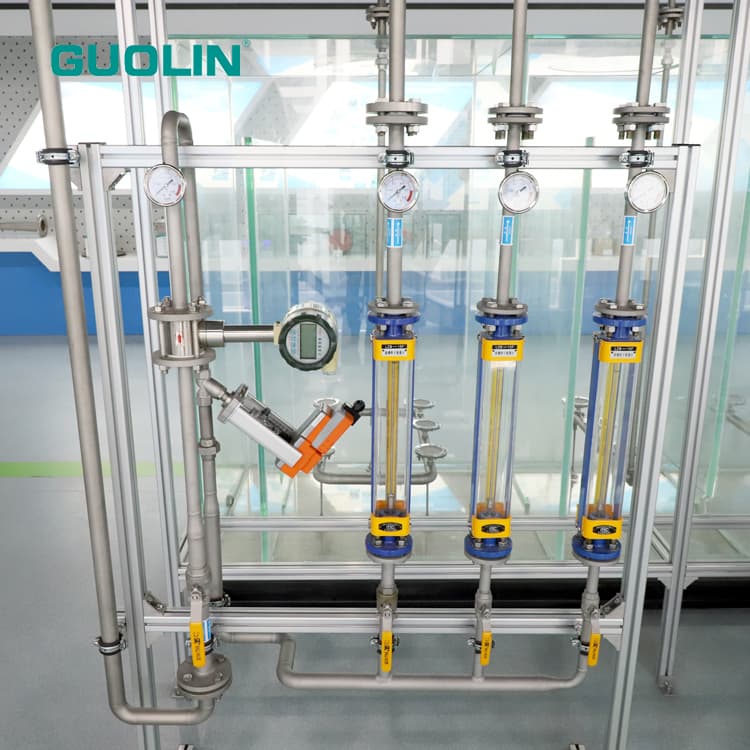
Frequently asked questions
Where should ozone be added in a recirculating aquaculture system?
A controlled side stream after effective solids removal is a defensible starting point. Ozone should be transferred and contacted in a contained stage, with water-phase residual management, degassing, off-gas destruction and a monitored return before fish or a protected biofilter. The exact draw-off and return locations depend on the RAS train and treatment objective.
Can ozone be injected directly into a fish tank?
Direct, uncontrolled addition to a culture tank is not a defensible default because fish can be exposed before transfer, contact and residual are verified. A separate treatment boundary allows controlled mass transfer, residual destruction, degassing, interlocks and acceptance before return.
What ORP should be used for ozone in RAS aquaculture?
There is no universal ORP setpoint. ORP reflects the overall redox condition and changes with matrix, electrode, location, pH, temperature and many oxidants or reductants. Establish a project-specific relationship among ORP, the treatment target, direct residual or TRO measurements and species/biofilter evidence before using it for control or trips.
Is ORP the same as dissolved ozone or total residual oxidants?
No. ORP is a non-specific electrochemical signal. Dissolved-ozone methods target ozone, while total-residual-oxidant methods in brackish or seawater report a mixture of longer-lived oxidants on a defined basis. Each method answers a different question and needs a named sampling point and calibration procedure.
Why is seawater RAS ozonation different from freshwater ozonation?
Ozone reacts with bromide and other constituents in saline water to form longer-lived ozone-produced oxidants. Water may contain harmful residual oxidizing capacity even when dissolved ozone is no longer detected. Brackish and seawater projects therefore need matrix-specific TRO or other suitable analysis, residual treatment and species-specific acceptance.
Will ozone damage a RAS biofilter?
Oxidant exposure can affect a biological filter, while ozone can also change the organic and nitrite load reaching it. Protect the biofilter with process placement, residual management and interlocks, then trend ammonia, nitrite, nitrate and other agreed indicators during commissioning and operation. Do not assume either damage or benefit without project evidence.
How is an ozone generator sized for aquaculture RAS?
Size from the required treatment duty, side-stream flow, actual-water demand and decay, transfer/contact performance, operating range, turndown, redundancy and margin—not tank volume or feed rate alone. The proposal must also define feed gas, cooling, dosing/contact, residual destruction, off-gas, instruments and controls.
What data does GUOLIN need for a RAS ozone proposal?
Provide the country and requirements, species and life stage, biomass and feeding profile, fresh/brackish/seawater matrix, system and side-stream flows, existing treatment train, treatment objective, time-series water quality, ozone demand or trial evidence, return-water residual method, biological protection plan, utilities, controls, acceptance cases and responsibility split.
Related articles
Technology
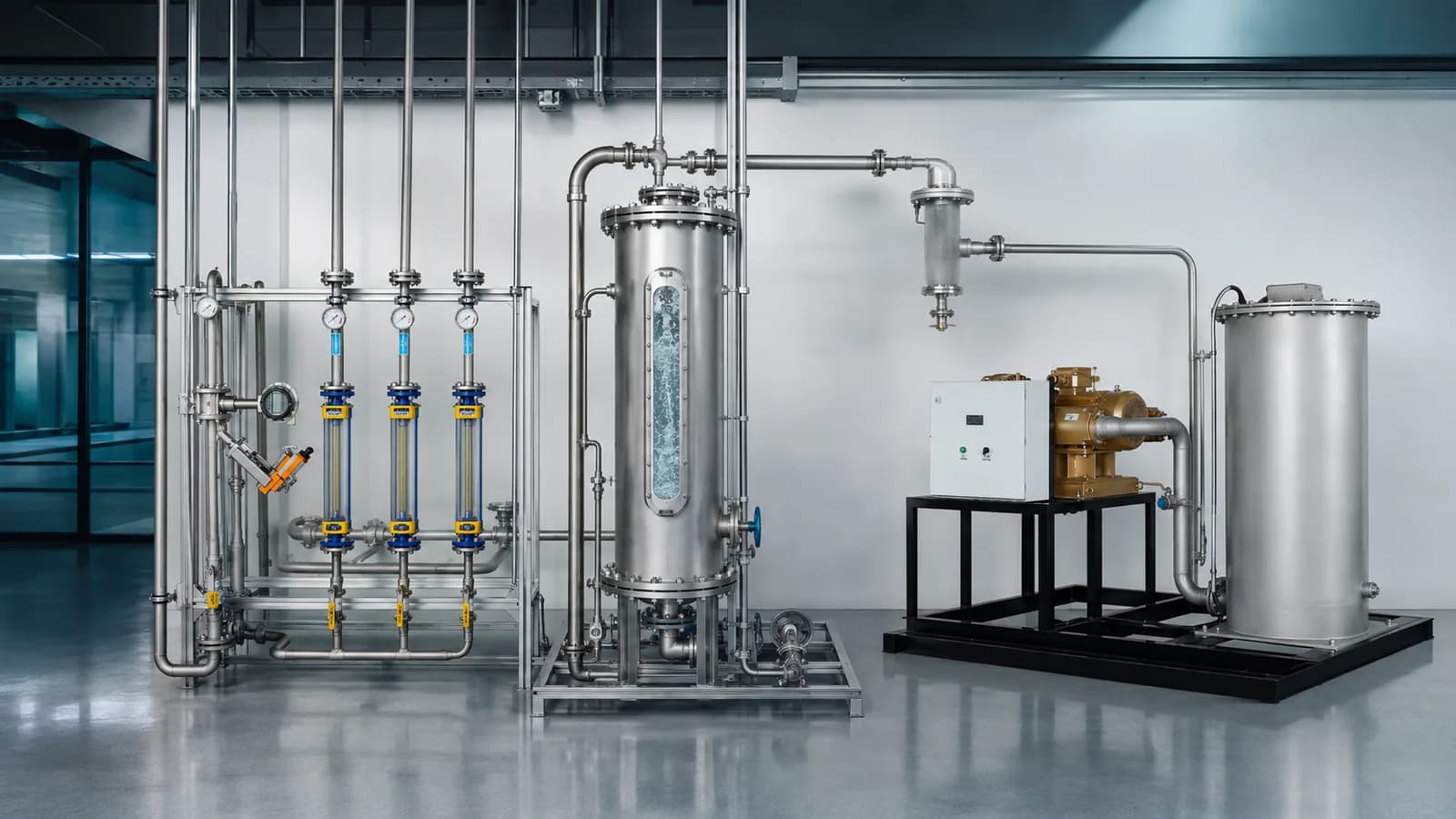
Ozone Mass Transfer, Contact Time and Off-Gas Treatment: An Engineering Guide
Learn how to specify ozone transfer efficiency, contact time, dissolved residual, contactor hydraulics and off-gas treatment as one measurable process boundary.
Buying Guide
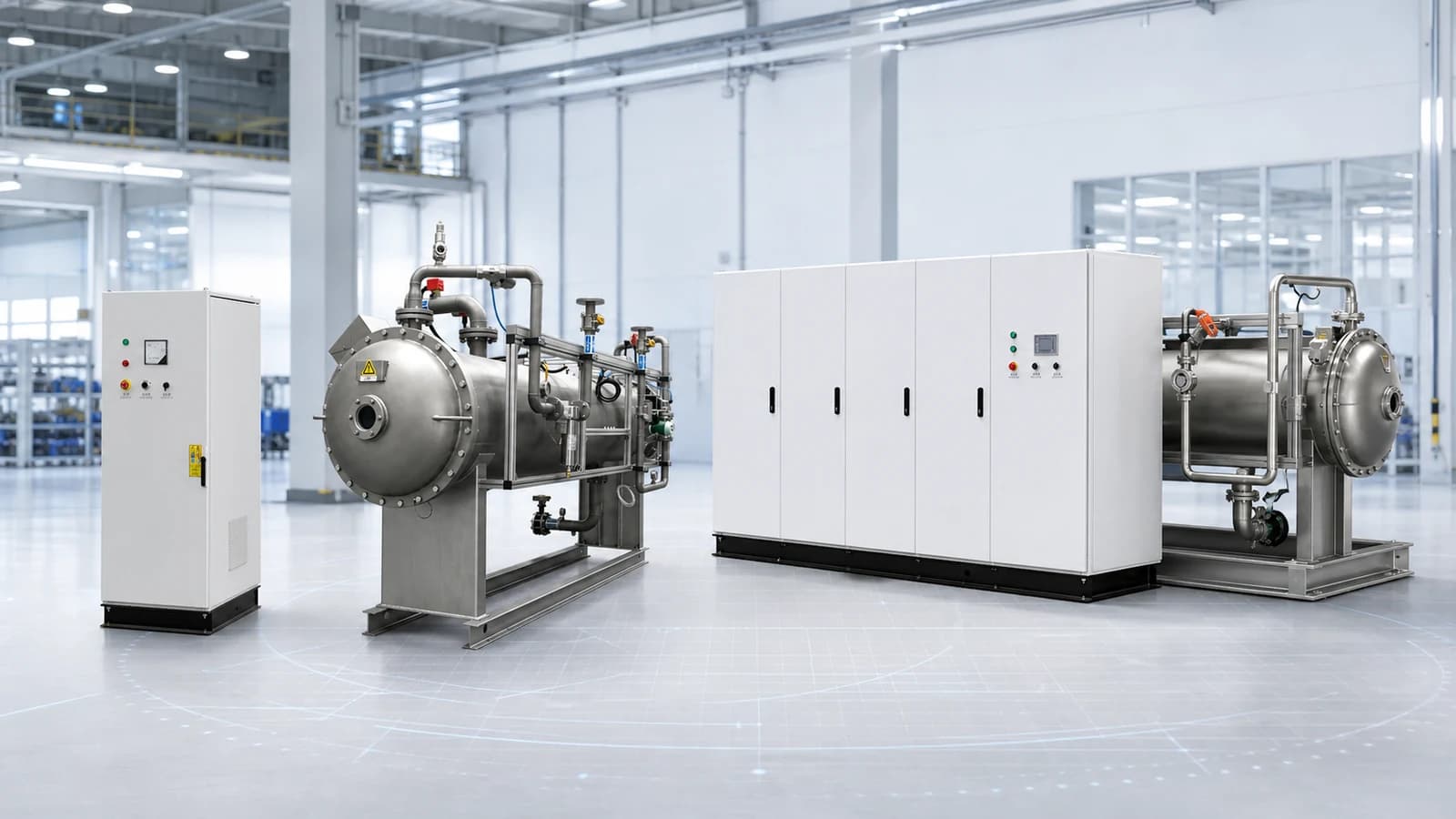
Industrial Ozone Generator Sizing for Water Treatment: Inputs, Calculations, and Limits
Learn how to calculate industrial ozone-generator capacity from water flow, defined ozone dose and transfer efficiency—without confusing generated, transferred or residual ozone.
Technology
Ozone Concentration vs Ozone Output: g/Nm³, wt%, g/h and kg/h Explained
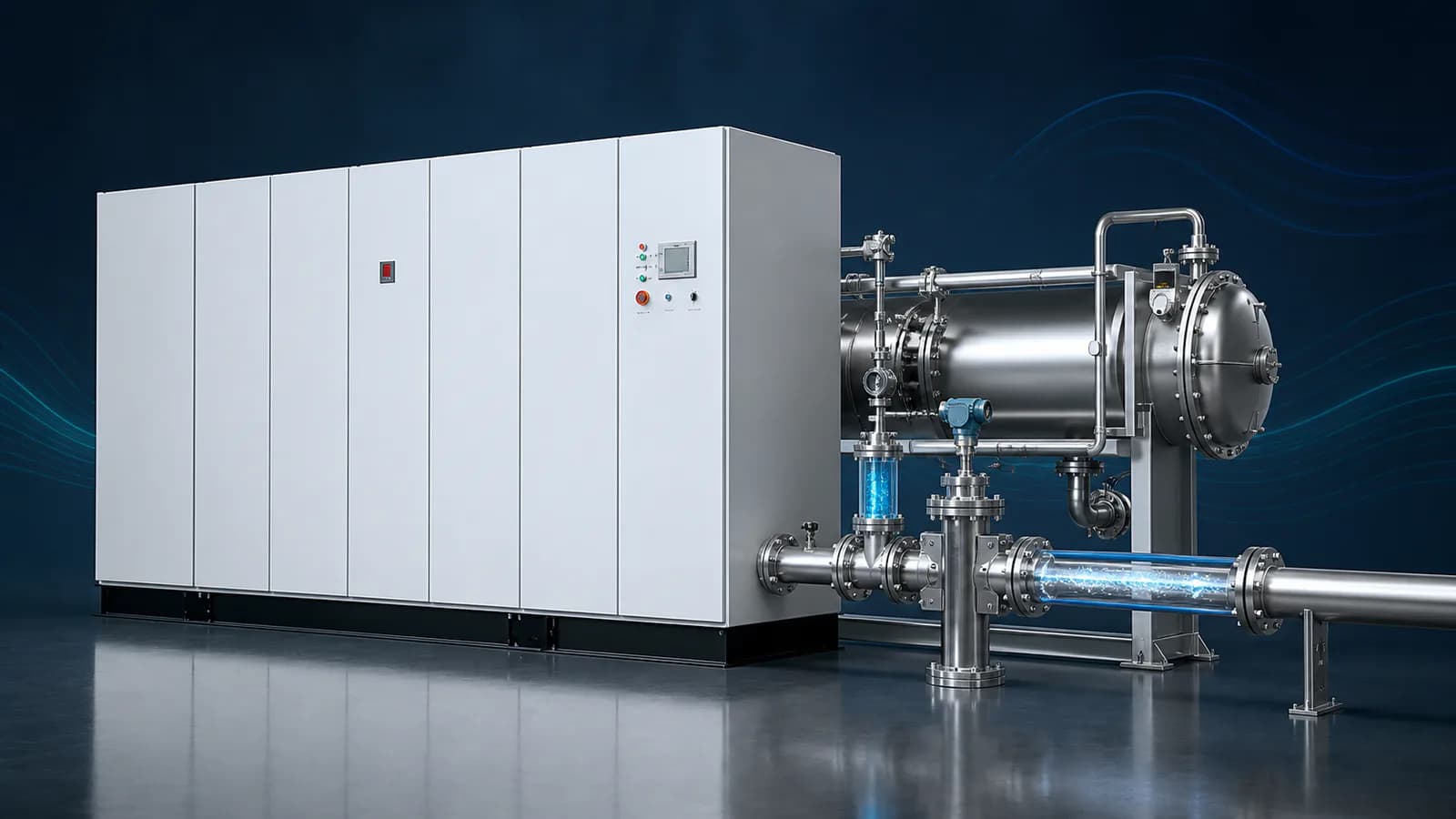
Learn how ozone concentration, product-gas flow and ozone output relate—and how to compare g/Nm³, wt%, g/h and kg/h without mixing measurement bases.
Buying Guide
Air-Fed vs Oxygen-Fed Industrial Ozone Generators: How to Choose the Feed-Gas Route
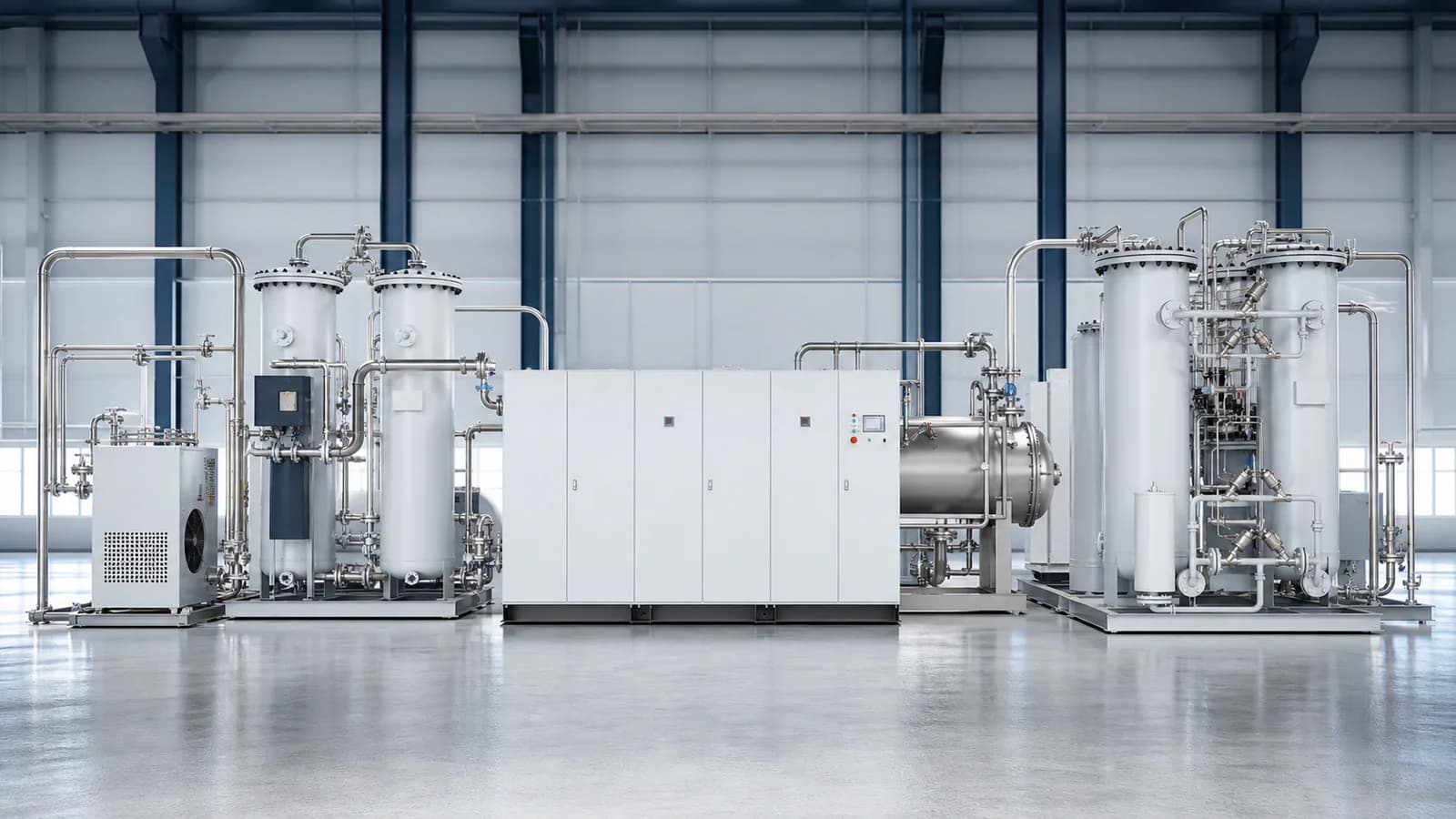
Compare air-fed and oxygen-fed industrial ozone generators by concentration, product-gas flow, utilities, oxygen supply, operating profile and complete-system cost.
Buying Guide
Industrial Ozone System Utility Requirements: A Site-Preparation Checklist
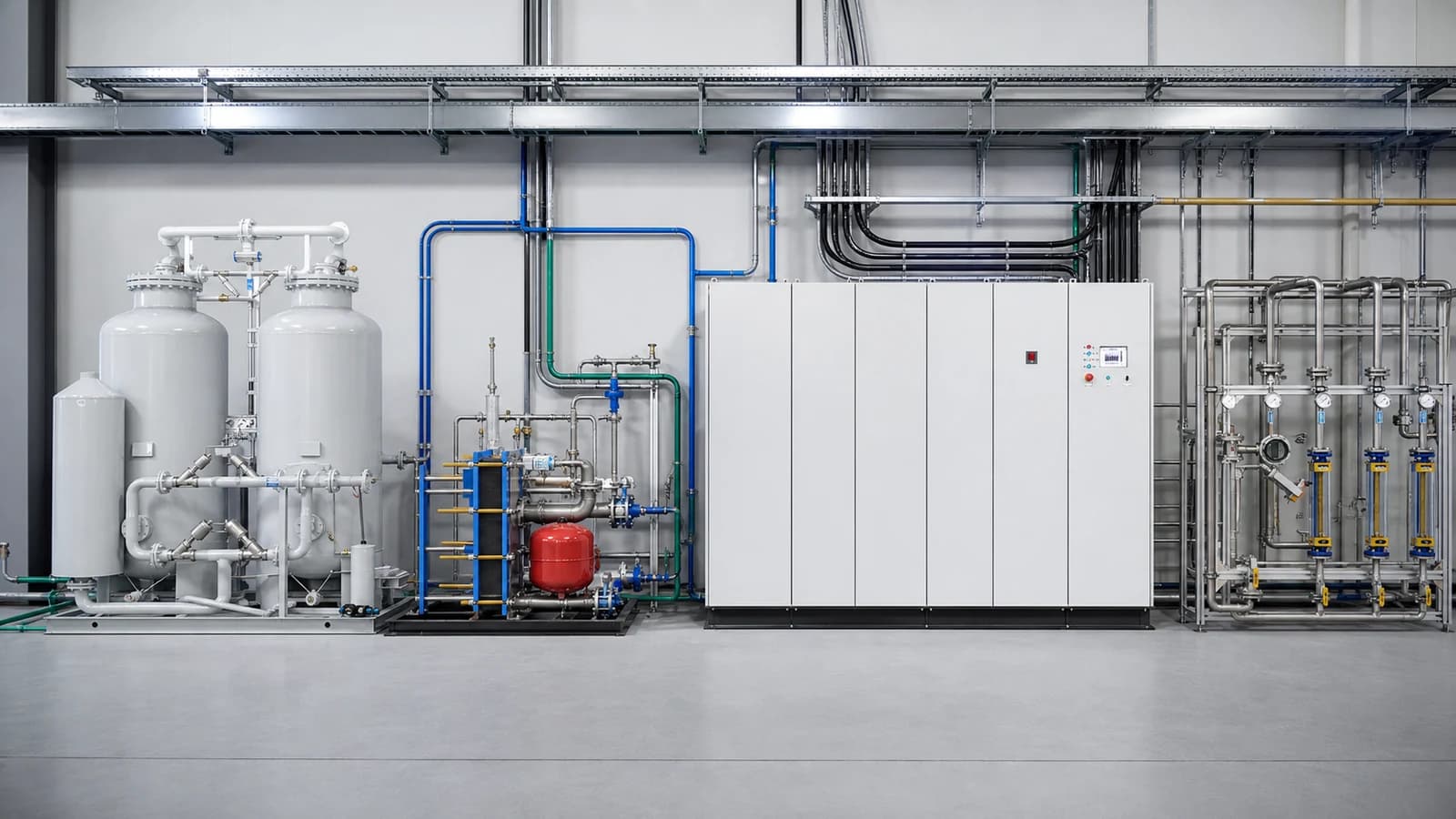
Prepare power, feed gas, cooling, ventilation, drainage, layout and control interfaces for an industrial ozone system using a responsibility-based site checklist.

Buying Guide
How to Prepare an Industrial Ozone System RFQ: A Specification Checklist
Build a comparable industrial ozone system RFQ with a clear design basis, scope boundary, operating cases, bidder response schedule and acceptance requirements.
Buying Guide
What Is Included in a Complete Industrial Ozone System?
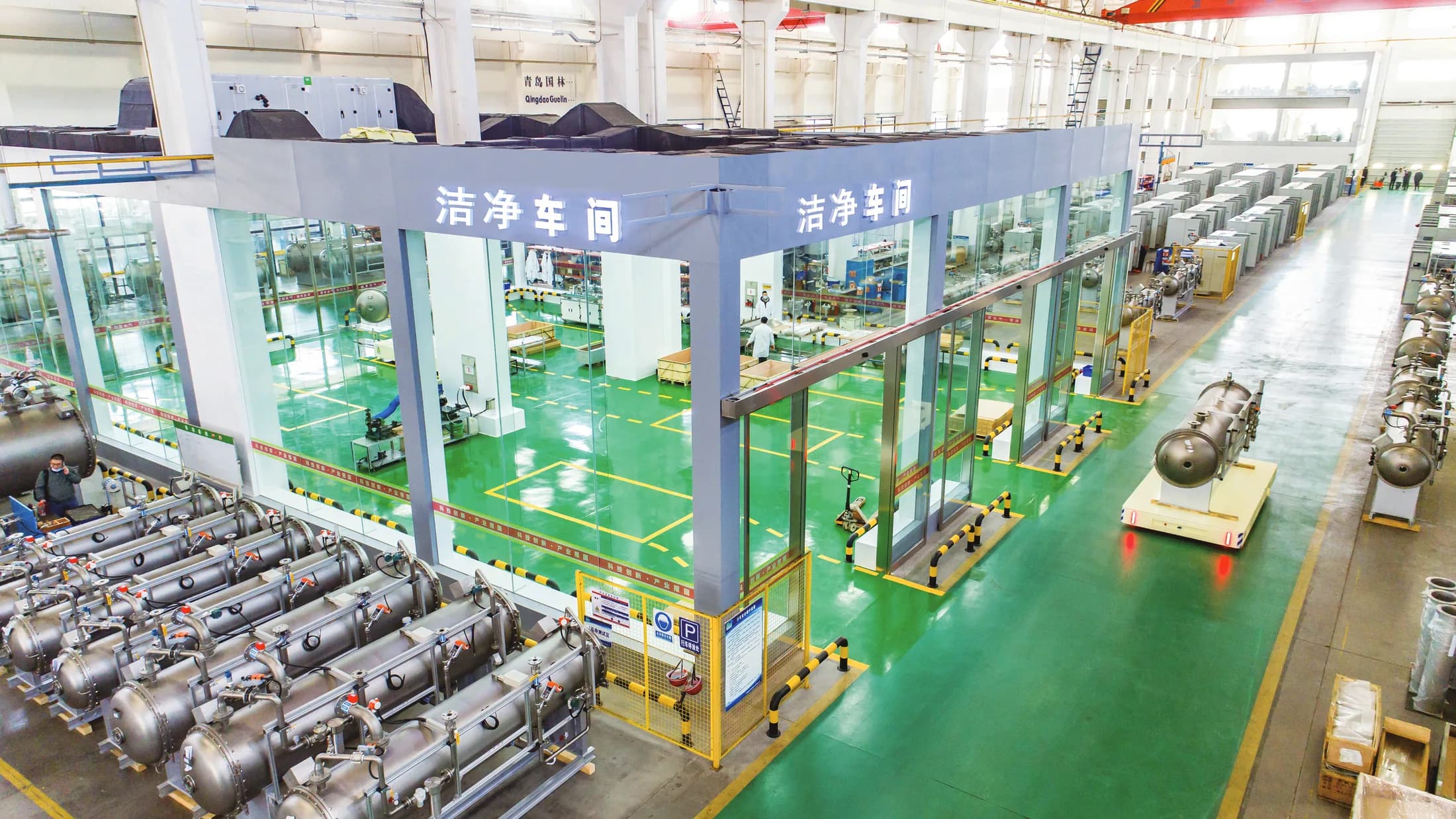
See which equipment, controls, utilities and project interfaces may be included in a complete industrial ozone system—and what every proposal must define.
Technology
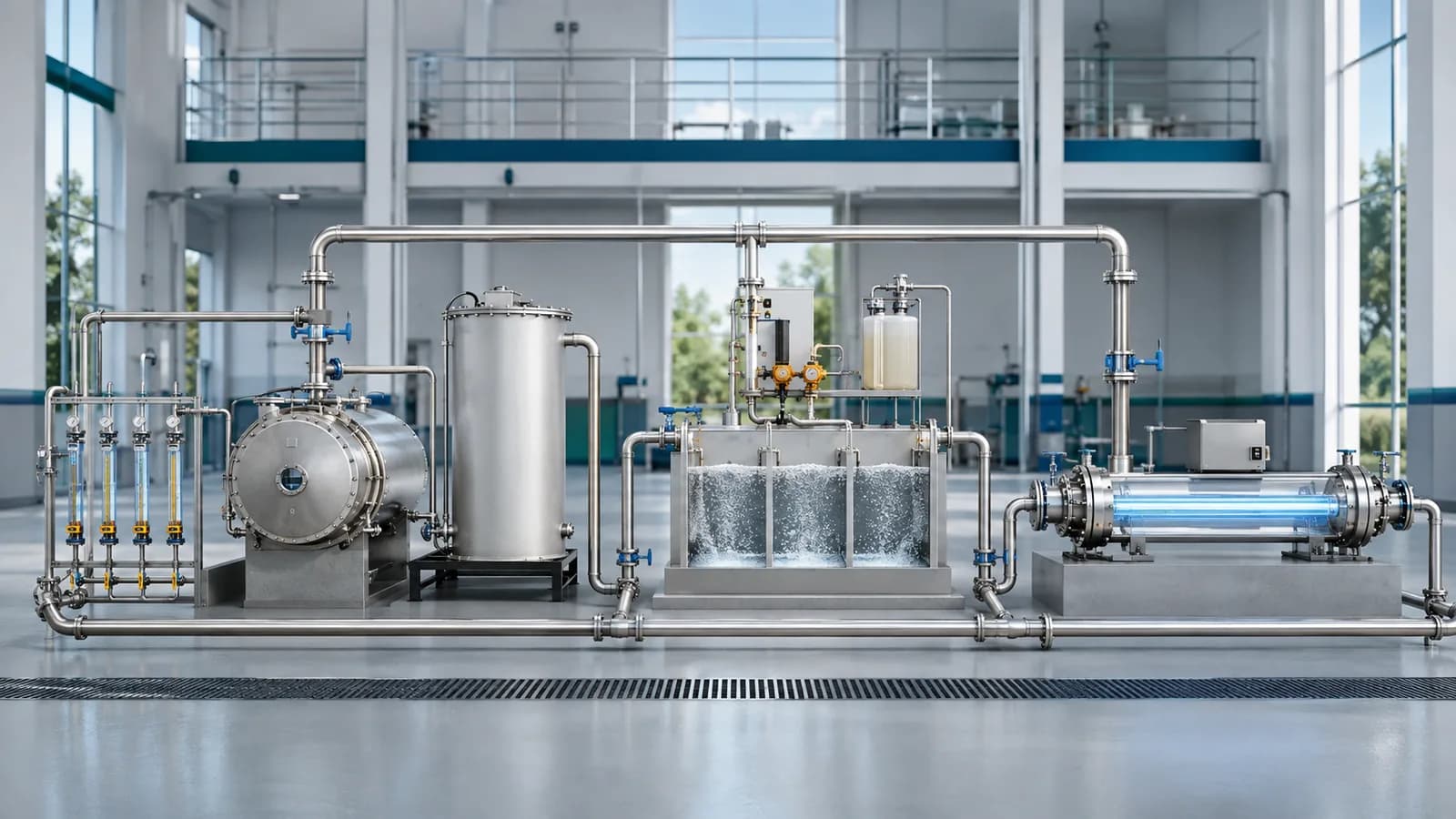
Ozone vs Chlorine vs UV for Water Disinfection: How to Choose
Compare ozone, chlorine and UV by treatment role, residual, water quality, by-products, validation and complete-system scope—not by a universal winner table.
Application Guide
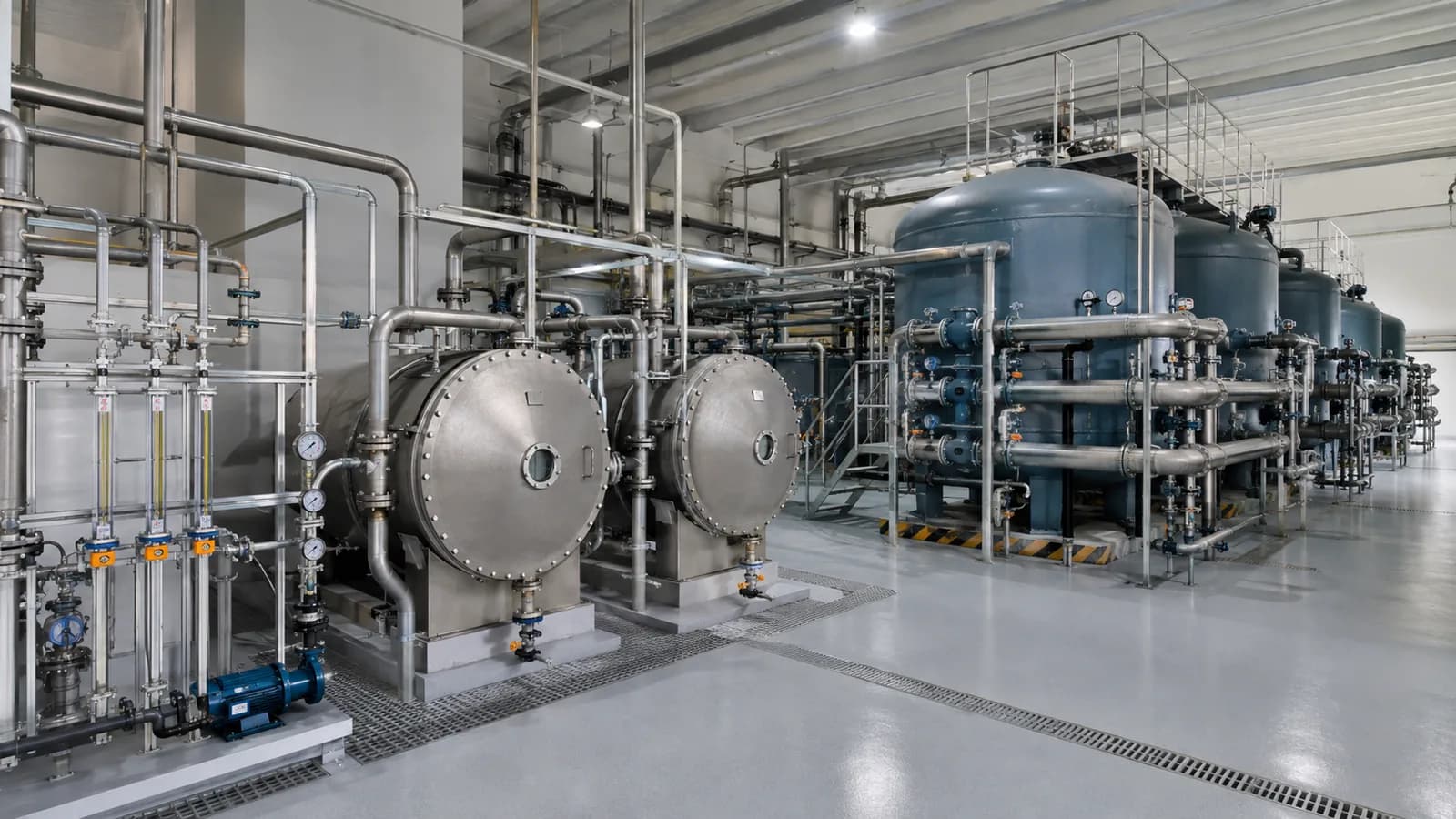
Ozone-BAC Drinking Water Treatment: Process, Monitoring and Limits
Learn how ozone and biologically activated carbon work together, how BAC differs from GAC, what changes performance, and what to monitor before specifying a drinking-water system.
Application Guide
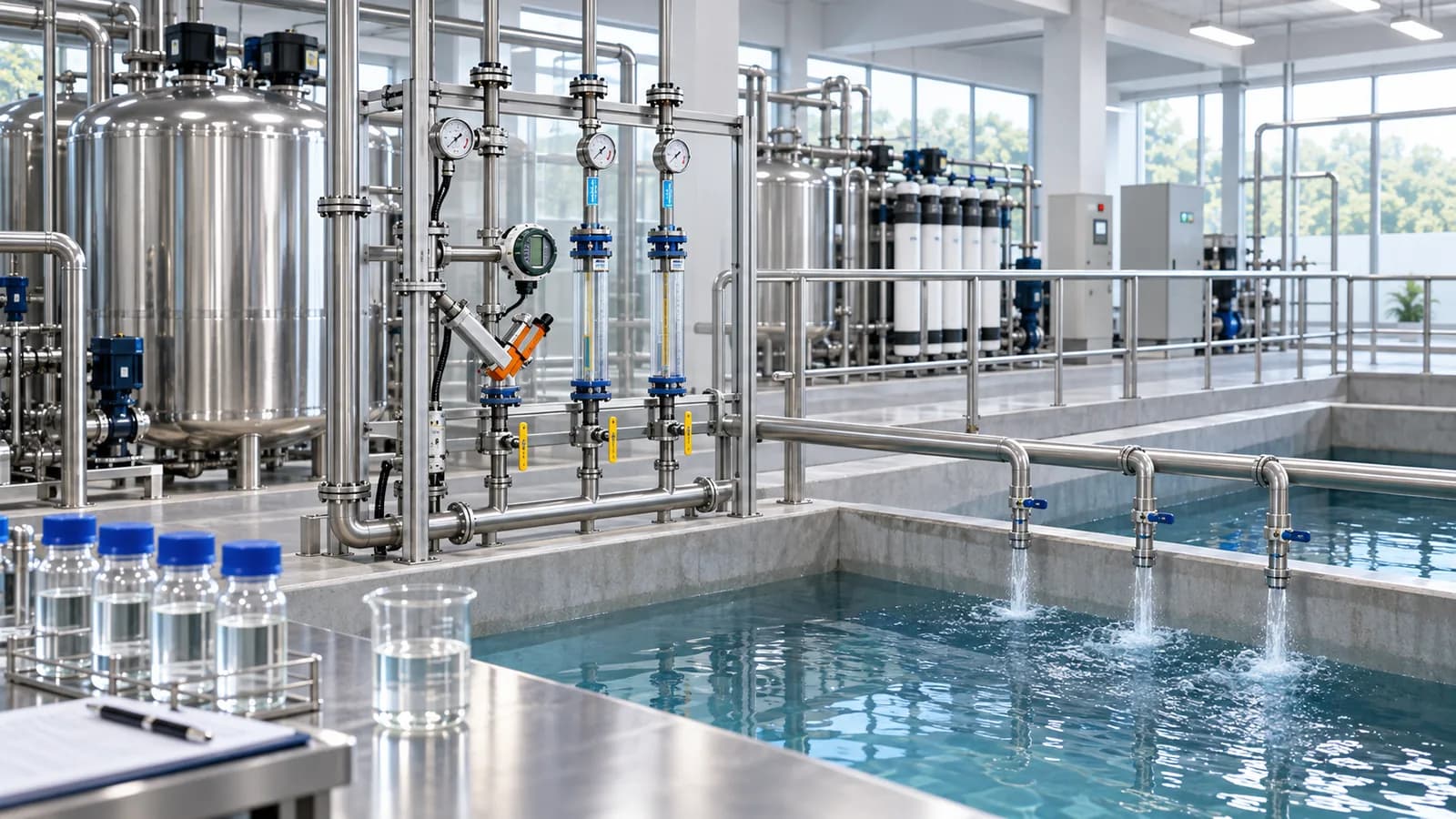
Bromate Formation in Drinking-Water Ozonation: Risk Factors, Control and Monitoring
Understand how bromate forms during drinking-water ozonation, which source-water and process variables change risk, how control options trade off, and what to monitor before design and acceptance.
Application Guide
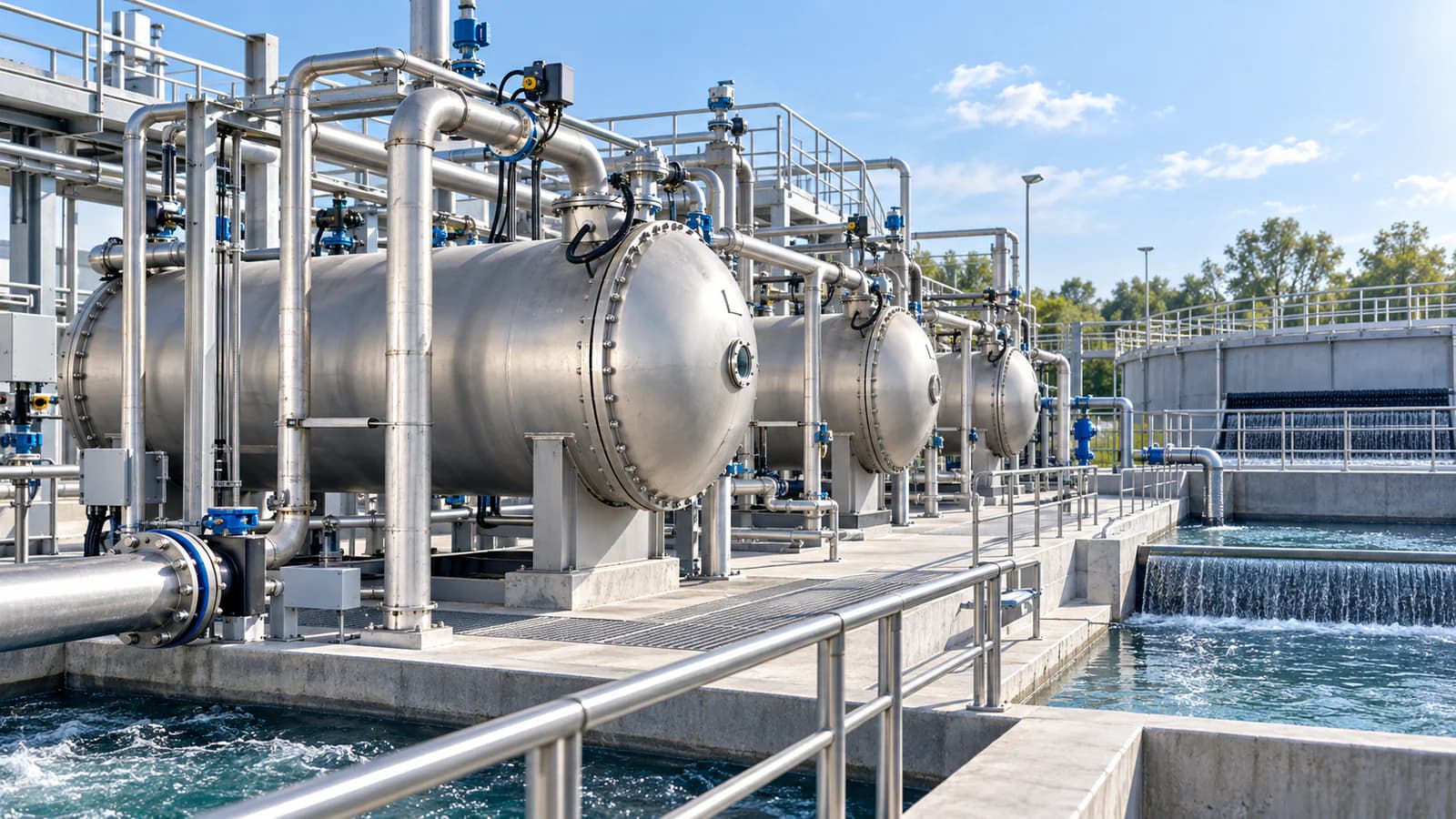
Ozonation for Micropollutant Removal in Municipal Wastewater: Design, Monitoring and Limits
Learn when municipal wastewater ozonation fits micropollutant removal, how to define dose and post-treatment, and what evidence is needed for control and acceptance.